

Octylphenylpolyethylene Glycol (Triton X-100) CAS 9002-93-1
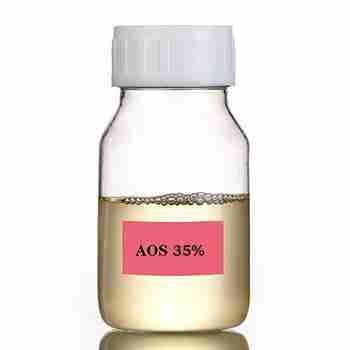
Assay: 99%
Appearance: Colorless or light yellow liquid
Packaging: 200kg/drum
Sample: available
related documents:
COA of Triton X-100 CAS 9002-93-1
TDS of Triton X-100 CAS 9002-93-1
Request for product documents
Description
Octylphenylpolyethylene glycol (Triton X-100) CAS 9002-93-1 Quick Details
Chemical Name: Octylphenylpolyethylene glycol
Synonyms: Triton X 100; Octoxinol; Polyethylene glycol tert-octylphenyl ether; tert-Octylphenoxy poly(oxyethylene)ethanol
CAS No.: 9002-93-1
Molecular Fomula: C18H28O5
Molecular weight: 324.41192
Appearance: Colorless or light yellow liquid
Assay: 99%
Typical Properties
Item
Standard
Appearance
Colorless or light yellow liquid
Cloud point??
68-78
Hazen
?C
PH(1% solution)
5-7
Water (%)
??0.5
Hydroxyl value(mgKOH/g)
87??5
Purity??%??
?R99.5
Octylphenylpolyethylene glycol Usage
In the pesticide, pharmaceutical and rubber industries as emulsifiers, the construction industry is used as asphalt emulsifier.
Octylphenylpolyethylene glycol Packaging
Packing: 200 kg/drum
Delivery: delivery within 3-5 working days
Octylphenylpolyethylene glycol Storage
Avoiding light and drying.
Related Products
Sodium Ethyl 2-Sulfolaurate is a surfactant with a unique combination of properties. It is an anionic compound, derived from the sulfonation of ethyl laurate, which is then neutralized with sodium hydroxide. This results in a product that is highly effective in lowering the surface tension of water, making it an excellent wetting agent and emulsifier. It is commonly used in personal care products, detergents, and industrial applications for its foaming and dispersing capabilities. As a mild and biodegradable ingredient, it is favored for its environmental and skin-friendly attributes, ensuring safety and performance in a variety of formulations.
Chemical Name: Zinc citrate
Synonyms: Zinc citrate trihydrate
CAS No.: 546-46-3
Molecular Formula: C6H8O7Zn
Molecular Weight: 257.5
Appearance: White powder
Hexyl D-glucoside is a non-ionic, plant-based surfactant derived from renewable resources such as corn or potato starch. It is recognized for its excellent skin compatibility and mildness, making it a preferred choice for formulations in personal care products, especially those targeting sensitive skin. With its superior solubilizing and foaming capabilities, it enhances the sensory experience of the product without compromising its gentleness. Its eco-friendly profile and biodegradability also align with green chemistry principles, appealing to consumers seeking sustainable product options.

Lauryl Glucoside is an eco-conscious non-ionic surfactant, derived from sustainable lauric acid and glucose. It offers superior mildness and biodegradability, making it an ideal choice for formulating gentle and effective cleaning agents in personal care and household products. Its bio-based nature aligns with the growing demand for green chemistry solutions.
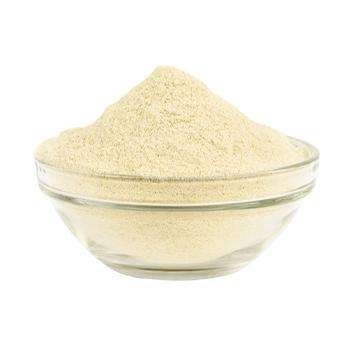
Chemical Name: Arabic gum
CAS No.: 9000-01-5
Appearance: powder
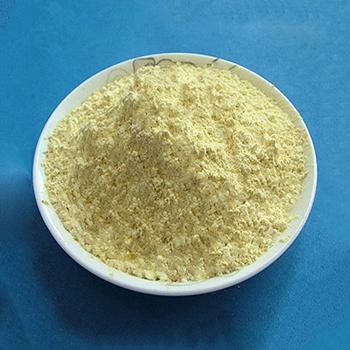
Product name:HYDROXYPROPYL GUAR HYDROXYPROPYLTRIMONIUM CHLORIDE
Purity:99%
Appearance:Light Yellow Powder
Package:Customized according to customer needs.
Sample:Available
Decyl glucoside, scientifically known as ??-D-Glucopyranoside, is a non-ionic surfactant derived from renewable resources, such as glucose and fatty alcohols. It is a biodegradable and mild alternative to traditional surfactants, making it a preferred choice for eco-friendly and sensitive skin formulations.
This compound is characterized by its ability to form stable emulsions and foams, which are essential properties in a variety of applications, including personal care products and household cleaning agents. Decyl glucoside is valued for its low irritation potential and excellent skin compatibility, making it suitable for use in baby care and cosmetic products.
Chemically, decyl glucoside features a hydrophilic head and a hydrophobic tail, allowing it to effectively reduce surface tension and solubilize oils in water. Its mildness and biodegradability contribute to its use in formulations that require gentle cleansing without compromising the integrity of the skin’s natural barrier.
In summary, decyl glucoside is a versatile and sustainable surfactant that offers a balance of performance and safety. Its eco-friendly profile and compatibility with sensitive skin types make it an ideal ingredient for a wide range of personal care and cleaning products.
Coconut Oil Monoethanolamide is a high-performance emulsifier derived from natural coconut oil. It is a key component in personal care and cosmetic formulations, providing excellent emulsifying properties and improving product texture. With its natural origin and superior performance, it is the preferred choice for creating stable and high-quality products.
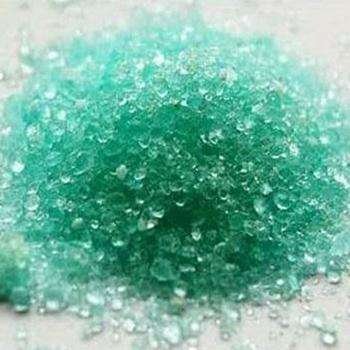
Chemical Name: Ammonium Iron(II) Sulfate
Synonyms: Diammonium iron bis(sulphate); iron (ii) ammonium sulfate
CAS No.: 10045-89-3
Molecular Formula: FeH5NO4S
Molecular Weight: 170.95
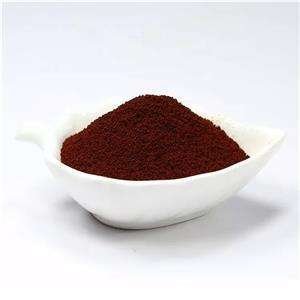
Chemical Name: Choline salicylate
CAS No.: 2016-36-6
Molecular Formula: C12H19NO4
Molecular Weight: 241.28
Appearance: Red-Brown Crystal
Decyl glucoside, scientifically known as ??-D-Glucopyranoside, is a non-ionic surfactant derived from renewable resources, such as glucose and fatty alcohols. It is a biodegradable and mild alternative to traditional surfactants, making it a preferred choice for eco-friendly and sensitive skin formulations.
This compound is characterized by its ability to form stable emulsions and foams, which are essential properties in a variety of applications, including personal care products and household cleaning agents. Decyl glucoside is valued for its low irritation potential and excellent skin compatibility, making it suitable for use in baby care and cosmetic products.
Chemically, decyl glucoside features a hydrophilic head and a hydrophobic tail, allowing it to effectively reduce surface tension and solubilize oils in water. Its mildness and biodegradability contribute to its use in formulations that require gentle cleansing without compromising the integrity of the skin’s natural barrier.
In summary, decyl glucoside is a versatile and sustainable surfactant that offers a balance of performance and safety. Its eco-friendly profile and compatibility with sensitive skin types make it an ideal ingredient for a wide range of personal care and cleaning products.

Decyl Glucoside is an eco-friendly, non-ionic surfactant derived from renewable resources. Renowned for its mildness and biodegradability, it is ideal for creating gentle, high-performing cleaning agents in personal care and household products. Its sustainable and effective nature makes it a preferred choice for green formulations.



Reviews
There are no reviews yet.