
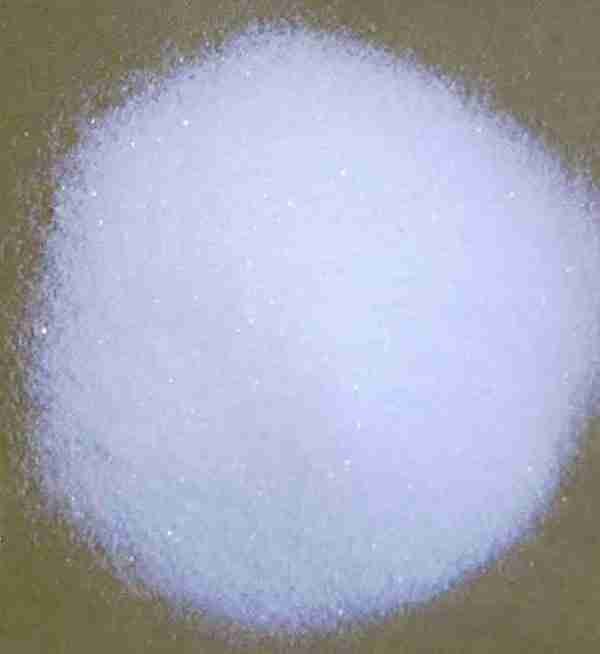
fructose-1,6-diphosphate cas 488-69-7 (1)
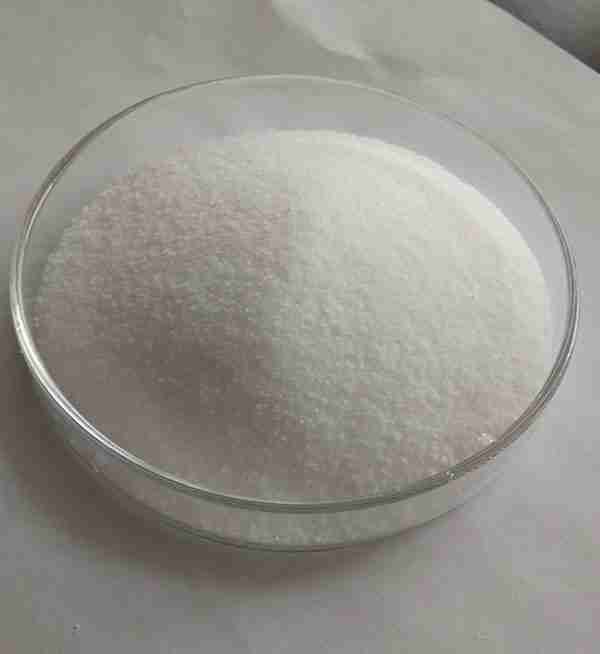

Chemical Name: Fructose-1,6-diphosphate
CAS No.:488-69-7
Molecular Fomula:C6H14O12P2
Molecular weight: 340.115682
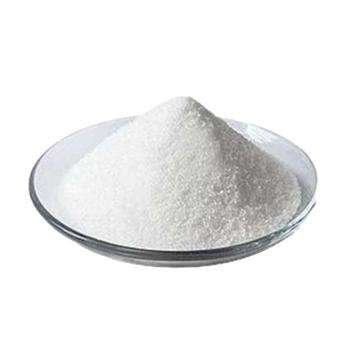
Appearance: White crystalline or crystalline powder
Assay??98%min
Description
Fructose-1,6-diphosphateQuick Details
Chemical Name: Fructose-1,6-diphosphate
CAS No.:488-69-7
Molecular Fomula:C6H14O12P2
Chemical Structure:
Molecular weight: 340.115682
Appearance: White crystalline or crystalline powder
Assay??98%min
Fructose-1,6-diphosphate Typical Properties
Item
Specifications
Results
Appearance
White crystalline or crystalline powder
White crystalline
Identify
TLC
Must be similar in TLC spots and colour
Conforms
Precipitation
positive reaction
positive reaction
Sodium salt
positive reaction
positive reaction
IR
Must be similar with parallel table
Conforms
Inspect
Granularity
30
Conforms
Acidity
PH: 5.5??6.5
6.01
Appearance of solution
colourless
Conforms
Moisture
24.0??27.0??
26.59%
Heavy metal??Pb????mg/kg
??1.5
Conforms
Arsenic??As????mg/kg
??1.0
Conforms
Bacterial count??cfu/g
??1000
Conforms
Colibacillus??MPN/100g
??40
Conforms
Yeast , mold??cfu/g
??25
Conforms
Assay, Anhydrous??%
??98.0??
98.92??
Fructose-1,6-diphosphate Usage
Suitable for a variety of symptoms caused by cardiac ischemia for coronary heart disease, angina, acute myocardial infarction, heart failure and arrhythmia adjuvant therapy. In recent years, also used for myocardial injury caused by hyperkalemia, acute adult respiratory distress syndrome, dilated cardiomyopathy, parenteral nutrition, cardiopulmonary bypass heart surgery as adjuvant therapy, has a good effect. Can accelerate alcohol metabolism, for the adjuvant treatment of acute poisoning. Fructose can be used to supplement the heat diabetes, because fructose does not require insulin into glycogen in the liver or metabolic decomposition. In addition they can accelerate the metabolism of ethanol, can be used for the treatment of acute alcohol poisoning. Although it is part of the body can be converted into glucose, but not for hypoglycemia.
Fructose-1,6-diphosphate Packaging and Shipping
25kg per drum
Fructose-1,6-diphosphate Storage
Keep in a well-closed,light-resistant, dry and cool place.
Related Products

Hydroxyproline is a non-essential amino acid divided from another amino acid called proline. It is created by the communication of proline with ascorbic acid vitamin C. This process produces a hydroxyl team bound to a hydrogen-oxygen particle, which is affixed to a carbon particle of proline as well as converted to hydroxyproline.Trans-4-hydroxy-l-proline is an optically energetic form of 4-hydroxyproline with l-trans setup. It can be used as human metabolite, plant metabolite and also computer mouse metabolite. It is an tautomer of trans-4-hydroxy-l-proline zwitterions.

Chemical Name:?UDP-Glucuronic Acid Trisodium
CAS No.: 63700-19-6
Molecular Fomula: C15H23N2NaO18P2
Molecular weight: 604.28
Appearance: Solid
Assay: 98%

Copper acetate peptide, also known as blue copper peptide. Copper peptide, also known as tripeptide in Chinese; Glycyl-L-histomyl-L-lysine. Peptide is a small molecule protein composed of amino acids, which are more easily absorbed by the skin and have more significant effects. It was first isolated from human plasma in 1973 and was discovered to have wound repair function in 1985. In 1999, researchers believed that copper peptide and its copper repair products can serve as activators of tissue remodeling, and it is also a signaling peptide, Promote the degradation of a large amount of collagen aggregates outside scars, the synthesis of normal collagen in the skin, the generation of elastin, proteoglycans, and glucosamine glycans, the growth rate and migration of different cell types, anti-inflammatory, and antioxidant responses.
Product name:Cyclopentane
Purity:96%
Appearance:White powder
Package:25kg/bag
Sample:Available
Chemical Name: Zinc citrate
Synonyms: Zinc citrate trihydrate
CAS No.: 546-46-3
Molecular Formula: C6H8O7Zn
Molecular Weight: 257.5
Appearance: White powder
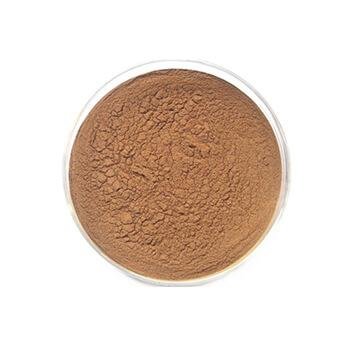
Chemical Name: Ashwagandha Extract
Synonyms: Withania somnifera, ext.; Withania Somnefera Extract
CAS: 90147-43-6
Appearance: Brown

Hydrolyzed keratin is originated from wool and is a light yellow to brownish-yellow clear fluid with a particular smell. It needs to undertake unique organic treatment to come to be brief peptides prior to it can be naturally used. Treated keratin is an acknowledged prospective resource of high-quality healthy protein with high nutritional value and secure quality.
It is a keratin hydrolysate derived from acid, enzyme and other hydrolysis methods, and has been used in feed and food industry, pharmacy, fertilizer, pesticide, environmental protection, leather industry, cosmetics and many other fields. Specifically, the material can be blended with polyamide 6 to prepare nanofibers for adsorbing chromium (VI). In addition, the compound can be used as an effective ingredient in the manufacture of shampoo, shower gel and shower gel. In addition, the chemical can be used as an effective ingredient in the production of deodorization compositions. In addition, the substance has been proven to be useful as a hair styling agent.
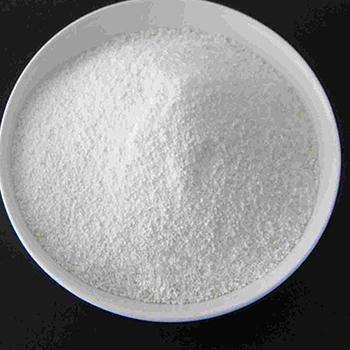
Chemical Name: Dehydrocholic acid
Synonyms: Acide dehydrocholique; Triketocholanic acid
CAS No.: 81-23-2
Molecular Formula: C24H34O5
Molecular Weight: 402.53
Appearance: Powder
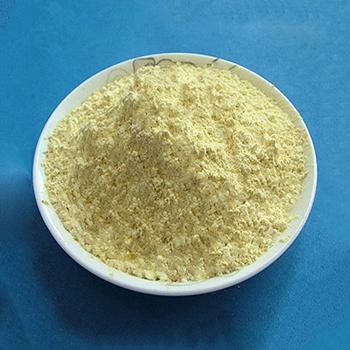
Product name:HYDROXYPROPYL GUAR HYDROXYPROPYLTRIMONIUM CHLORIDE
Purity:99%
Appearance:Light Yellow Powder
Package:Customized according to customer needs.
Sample:Available
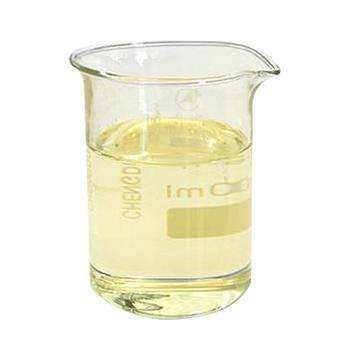
Chemical Name: Potassium Castorate
CAS No.: 8013-05-6
Molecular Formula: C57H107K3O12
Molecular Weight: 1101.74718
Appearance: Yellow Liquid

Chemical Name: Imazalil Sulfate
CAS No.: 58594-72-2
Molecular Formula: C14H14Cl2N2O.H2SO4
Molecular Weight: 395.26
Appearance: Solid
Chemical Name: 3-Hydroxybutyric acid
CAS No.: 625-71-8
Molecular Formula: C4H8O3
Molecular Weight: 104.1
Appearance: White powder



Reviews
There are no reviews yet.