
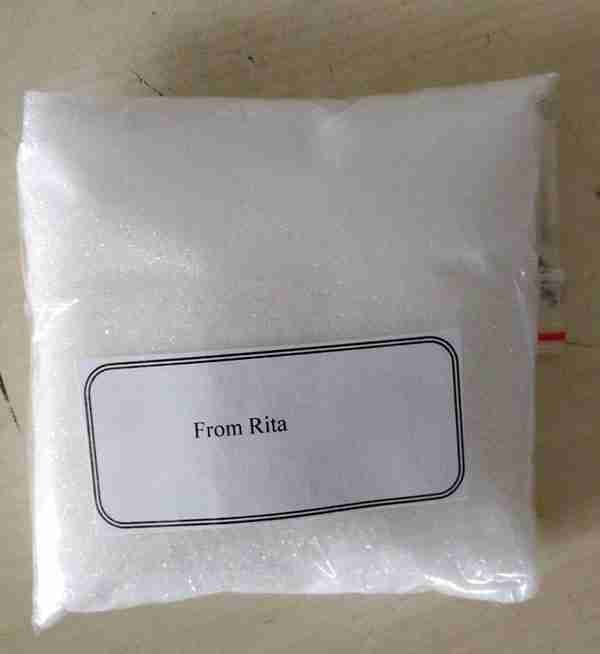
Tris Base CAS 77-86-1
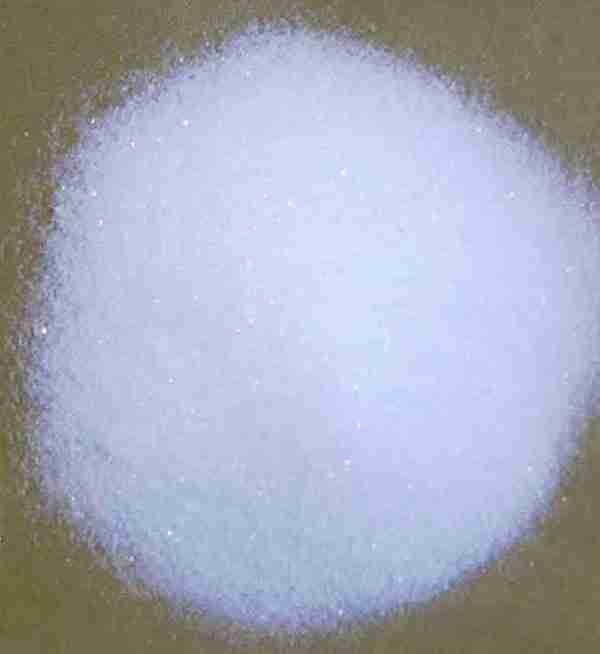
Synonyms: Tris(hydroxymethyl)aminomethane; Trometamol
Appearance: White crystal powder
Assay: 99.5%
Packaging: 25kgs per drum
Sample: Available
related documents:
COA of Tris Base
MSDS of Tris Base
Request for product documents
Description
Tris Base Quick Details
Chemical Name: Tris Base
CAS No.: 77-86-1
Molecular Fomula: C4H11NO3
Chemical Structure:
Tris Base Molecular Weight: 121.14
Tris Base PH(5%): 10.0-11.5
Appearance: White crystal powder
Assay: 99.5%
Typical Properties
Item
Specifications
Results
Content
99.5%??101.0%
100.34%
Moisture??by karl fischer??
??0.3%
0.19%
Insolubles
??0.005%
0.00%
PH(5%)
10.0-11.5
10.65
UV Absorbance??290nm,40%??
??0.2
0.050
UV Absorbance??400nm 40%??
??0.2
0.011
Heavy metals??as pb??
??5ppm
??5ppm
Fe
??5ppm
??5ppm
Cl
??3ppm
??5ppm
Solubility ??1.0M solution in water??
Immediately soluble yielding a clear haze-free solution free of particulates
Residue on ignition
??0.05%
0.00%
Melting point???棩
168.0-172.0
171.5-171.9
Appearance
White crystal powder
Tris Base Application
1. Tris is often used as a biological buffer with a pH of 6.8, 7.4, 8.0, 8.8.
2. Tris is widely used in the preparation of buffers for biochemical and molecular biology experiments. For example, tries are commonly used in TAE and TBE buffers (for the solubilization of nucleic acids) andin biochemical experiments. Since it contains an amino group, it can undergo a condensation reaction with an aldehyde.
3. Tris is a weak base, and its pKa is 8.1 at room temperature (at 25 ?? C; according to the buffer theory, the effective buffer range of Tris buffer is between pH 7.0 and 9.2.
4. The pH of the aqueous solution of the Tris base is about 10.5. Usually, hydrochloric acid is added to adjust the pH to the desired value to obtain a buffer of the pH. But at the same time, attention should be paid to the effect of temperature on the pKa of Tris.
Packaging and Shipping
Tris Base 25 kgs per drum
Tris Base Storage
Dry cool place
Related Products
Product name:Cyclopentane
Purity:96%
Appearance:White powder
Package:25kg/bag
Sample:Available
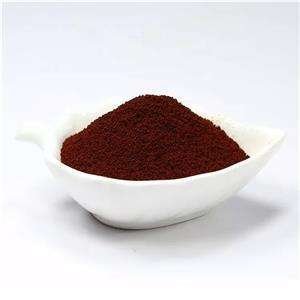
Chemical Name: Choline salicylate
CAS No.: 2016-36-6
Molecular Formula: C12H19NO4
Molecular Weight: 241.28
Appearance: Red-Brown Crystal
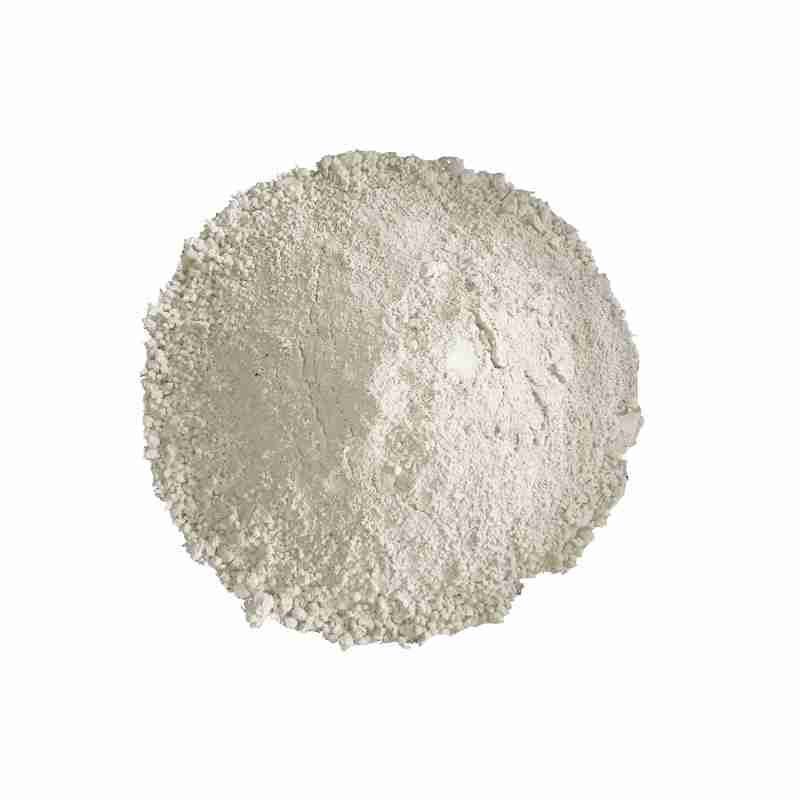
HEPES buffer(4 ?C (2-hydroxyethyl) ?C 1-piperazine ethanesulfonic acid) is a zwitterionic sulfonic acid buffer; One of good??s 20 buffers. Hepes buffer is widely used in cell culture, mainly because it can maintain physiological pH value better than bicarbonate buffer, which is also commonly used in cell culture, although the concentration of carbon dioxide (produced by aerobic respiration) changes. Lepe Zuniga et al. An unwanted photochemical process in which hepes buffer produces hydrogen peroxide when exposed to ambient light is reported, which is not a problem in bicarbonate based cell culture buffer. Therefore, it is strongly recommended to place the solution containing hepes buffer in the dark as far as possible to prevent oxidation.
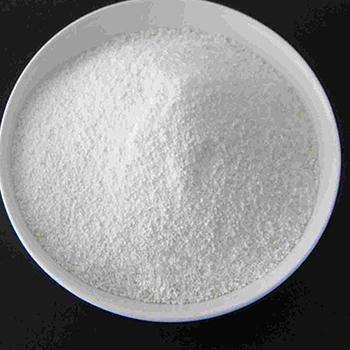
Chemical Name: Dehydrocholic acid
Synonyms: Acide dehydrocholique; Triketocholanic acid
CAS No.: 81-23-2
Molecular Formula: C24H34O5
Molecular Weight: 402.53
Appearance: Powder
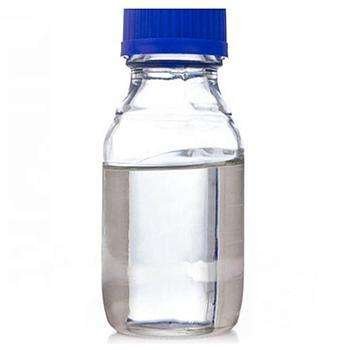
Chemical Name: STODDARD SOLVENT
CAS No.: 64742-88-7
Appearance: Colorless or Light Yellow Liquid
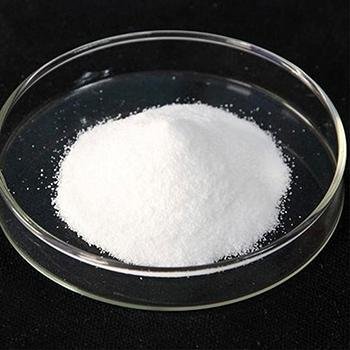
Chemical Name: UV-120
Other Name: (2’,4’-Di-tert-butylphenyl 3,5-di-tert-butyl-4-hydroxybenzoate)
CAS No.: 4221-80-1
Molecular Fomula: C29H42O3
Molecular weight: 438.66
Assay: ≥99%(LC)

Chloramine-T is an N-terminally chlorinated and N-terminally deprotonated sulfonamide used as an insecticide and mild disinfectant.
Prismatic crystal, soluble in water, almost insoluble in benzene, chloroform and ether. Decay in ethanol. There is no certain melting point, as well as it is violently decayed (exploded) at 175-180 ??. With minor chlorine scent, it progressively sheds water in dry air, and slowly decomposes in exposed air to launch chlorine.
Chloramine-T can be prepared in a return of 75?C 95% by presenting chlorine into the salt hydroxide option of p-toluenesulfonamide. It is a solid electrolyte in acid remedy and a great oxidant in alkali option. Conveniently soluble in water, nearly insoluble in benzene, chloroform and ether. The substance can conveniently react with mustard gas to generate safe crystalline thioimides; Chloramine-T derivatives are being studied as poison gas guards.
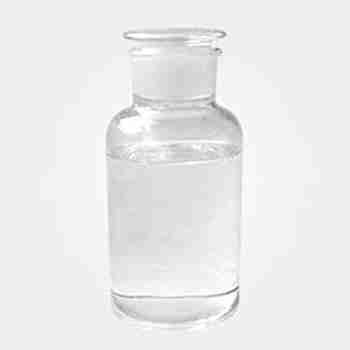
Chemical Name: N-(Trimethylsilyl)imidazole
CAS No.:18156-74-6
Molecular Formula: C6H12N2Si
Molecular weights: 140.26
Appearance: colorless to yellow liquid
Content: ??98%
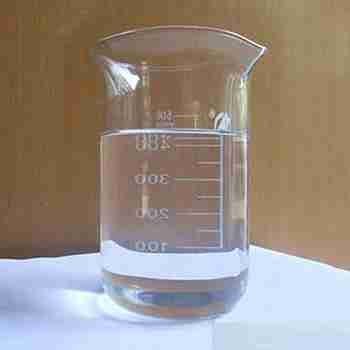
Chemical Name: Azidotrimethylsilane
CAS No.: 4648-54-8
Appearance:?Transparent Liquid
Assay???? 95%

Chemical Name: 1,1,2,2-Tetrachloroethane
Other Name: Tetrachlorethane
CAS No.: 79-34-5
Molecular Formula: C2H2Cl4
Molecular Weight: 167.85
Appearance: Liquid
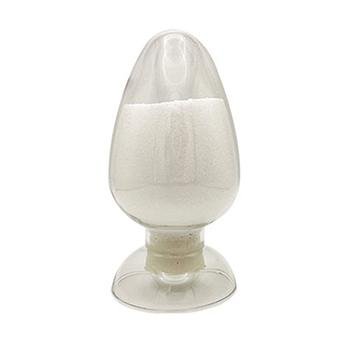
Chemical Name: Imazalil Sulfate
CAS No.: 58594-72-2
Molecular Formula: C14H14Cl2N2O.H2SO4
Molecular Weight: 395.26
Appearance: Solid

Chemical Name: Zinc citrate
Synonyms: Zinc citrate trihydrate
CAS No.: 546-46-3
Molecular Formula: C6H8O7Zn
Molecular Weight: 257.5
Appearance: White powder



Reviews
There are no reviews yet.