

Tetrasodium Pyrophosphate CAS 7722-88-5


Synonyms: Diphosphoric acid tetrasodium; Pyrophosphate sodium salt; Sodium diphosphate tetrabasic; Sodium pyrophosphate, anhydrous
Appearance: White powder
Assay: 96%min
Packing: 25KG/bag
Capacity: 20000MT/Year
Sample: Available
Description
Tetrasodium pyrophosphate Quick Details
Chemical Name:?Tetrasodium pyrophosphate
CAS No.: 7722-88-5
Molecular Formula: Na4O7P2
Molecular Weight:?265.902402
Molecular Structure:
Appearance: White powder
Typical Properties
Content??Na4P2O7 ??%??
96.0
Phosphorus pentoxide??P2O5??%??
51.5
PH value??1% water solution??
9.9-10.7
Water-insoluble % ??
0.1
Fluoride (F)% ??
0.005
Lead% ??
0.001
Arsenic (As)% ??
0.0003
Loss on burning% ??
0.5
Tetrasodium pyrophosphate Usage
Used for electroplating industrial batching, water treatment agent, washing agent, boiler descaling agent, metal chelating agent
Packaging and Shipping
Packing: 25KG/bag.
Tetrasodium pyrophosphate Storage
Store in a cool, ventilated warehouse. The temperature should not exceed 37??C. Should be stored separately with oxidant, edible chemical, avoid mixing storage.
Related Products

Copper(II) sulfate, with the chemical formula CuSO4, is a blue crystalline compound that is soluble in water. It is commonly used in agriculture as a fungicide and in the textile industry as a dye fixative. Copper(II) sulfate is also utilized in the manufacture of pigments, batteries, and as an algaecide in water treatment. Its distinctive blue color and reactivity make it a versatile chemical in various industrial applications, including chemical analysis and electroplating.

Sodium aluminosilicate (CAS No.73987-94-7) is an inorganic compound.
It has a certain application in industry. For example, in the ceramic industry, sodium aluminosilicate can be used as a flux and an ingredient in ceramic glazes, helping to improve the performance and appearance of ceramics.
In some chemical processes, it may also function as a precipitating agent or an additive.
In the field of materials science, the properties and structural characteristics of sodium aluminosilicate make it have potential application value in the research and development of some new materials.

Aluminum chlorohydrate is an inorganic compound often used as a coagulant in water treatment processes. It is also known for its astringent properties and is utilized in various personal care products, such as antiperspirants and deodorants, due to its ability to temporarily close sweat glands. It enhances the viscosity and stability of formulations, making it a valuable ingredient in cosmetics and pharmaceuticals.
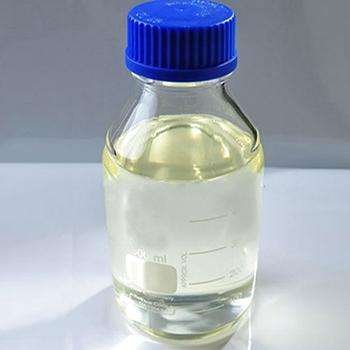
Chemical Name: 1,1,2,2-Tetrachloroethane
Other Name: Tetrachlorethane
CAS No.: 79-34-5
Molecular Formula: C2H2Cl4
Molecular Weight: 167.85
Appearance: Liquid
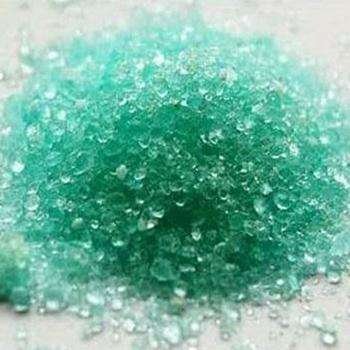
Chemical Name: Ammonium Iron(II) Sulfate
Synonyms: Diammonium iron bis(sulphate); iron (ii) ammonium sulfate
CAS No.: 10045-89-3
Molecular Formula: FeH5NO4S
Molecular Weight: 170.95
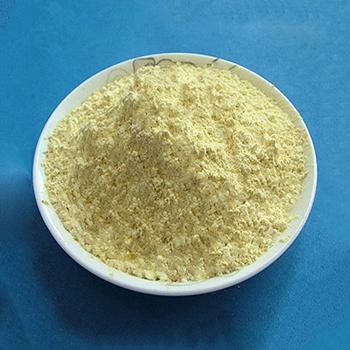
Product name:HYDROXYPROPYL GUAR HYDROXYPROPYLTRIMONIUM CHLORIDE
Purity:99%
Appearance:Light Yellow Powder
Package:Customized according to customer needs.
Sample:Available

Hexaammonium molybdate is a high-purity, water-soluble molybdenum compound with the chemical formula (NH4)6Mo7O24??4H2O. It is a crystalline solid that serves as a molybdenum source in various applications, including agriculture as a micronutrient fertilizer and in the industrial production of catalysts and pigments. Known for its stability and reactivity, it is used to enhance the properties of steel and other alloys, promoting their hardness and resistance to wear.

Bentonite, sodium-activated, is a type of clay rich in montmorillonite minerals, which undergoes a process to increase its sodium content. This alteration enhances its swelling and adsorptive properties, making it a highly effective thickener and gel-forming agent. Sodium bentonite is widely used in drilling muds, foundry sands, and as a binder in various industrial applications. Its ability to absorb liquids and form stable gels makes it invaluable in cosmetics, agriculture, and as a component in the manufacturing of ceramics and paper products.
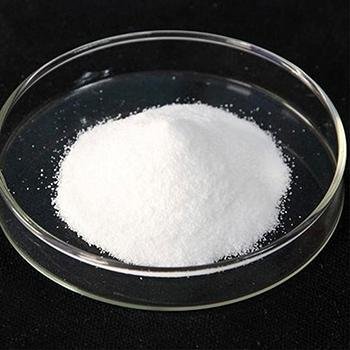
Chemical Name: UV-120
Other Name: (2’,4’-Di-tert-butylphenyl 3,5-di-tert-butyl-4-hydroxybenzoate)
CAS No.: 4221-80-1
Molecular Fomula: C29H42O3
Molecular weight: 438.66
Assay: ≥99%(LC)
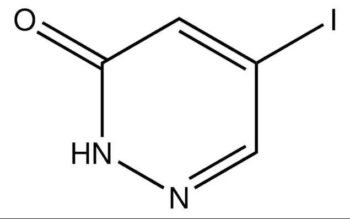
Common English name: 5-iodo-2,3-dihydropyridazin-3-one
CAS No.: 825633-94-1
Molecular formula: C4H3IN2O
Molecular weight: 221.98
Sample: Available
Chemical Name: o-Xylene
Synonyms: 1,2-Dimethylbenzene; ortho-xylene
CAS No.: 95-47-6
Molecular Formula: C8H10
Molecular Weight: 106.17
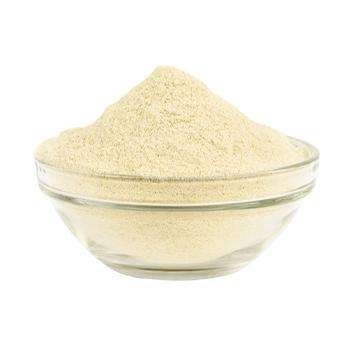
Chemical Name: Arabic gum
CAS No.: 9000-01-5
Appearance: powder



Reviews
There are no reviews yet.