
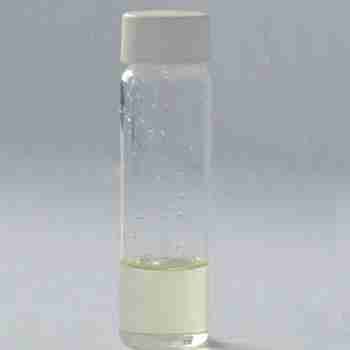
Hydroxypropyl Tetrahydropyrantriol cas 439685-79-7
Appearance:Colorless to yellowish liquid
Purity: 30%
Packaging: 5kg/drum
Sample: Available
?
related documents:
COA of Hydroxypropyl Tetrahydropyrantriol 439685-79-7
TDS of Hydroxypropyl Tetrahydropyrantriol 439685-79-7
Request for product documents
Description
Hydroxypropyl Tetrahydropyrantriol
Hydroxypropyl Tetrahydropyrantriol cas 439685-79-7 Quick details
Product name: Hydroxypropyl Tetrahydropyrantriol
CAS: 439685-79-7
Molecular Fomula: C8H16O5
Molecular Fomula: 192.1
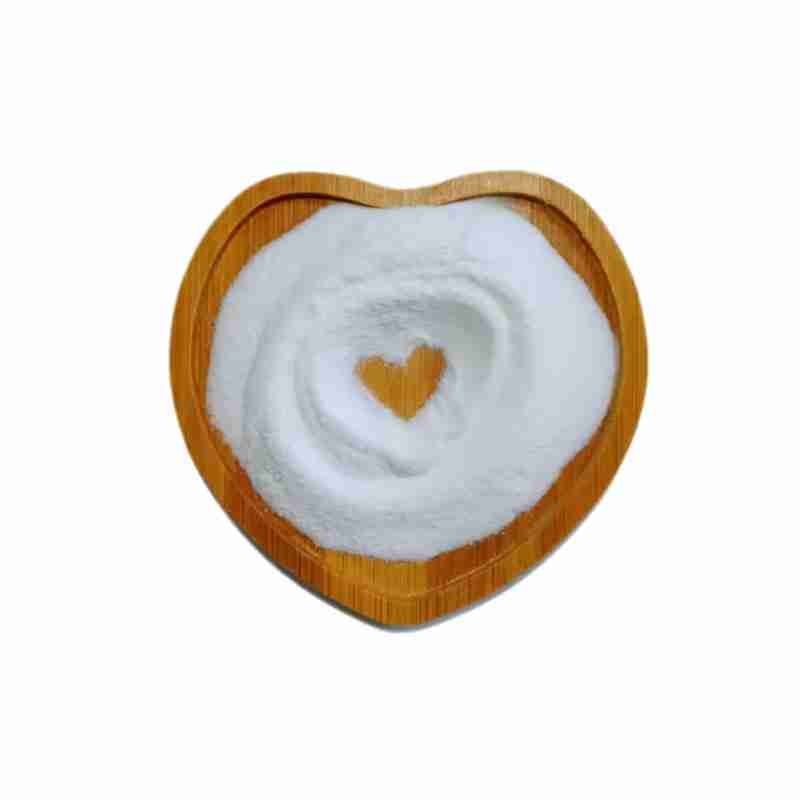
Appearance: light yellow solution
Assay: 30%
Hydroxypropyl Tetrahydropyrantriol is a xylose derivative with anti-aging actives, which can promote the synthesis of collagen, make the skin stronger and elastic, improve neck fine lines, and prevent aging.
Hydroxypropyl Tetrahydropyrantriol? Specifications
Item
Specifications
Appearance
Colorless to yellowish liquid
Odor
Odorless to light characteristics
Hydroxypropyl Tetrahydropyrantriol content
28.5-32.5%
Aerobic plate
??100 CFU/g
Yeast&Molds
??10 CFU/g
Escherichia coli
Negative
Salmonella
Negative
?
Hydroxypropyl Tetrahydropyrantriol? Introduction
Hydroxypropyl Tetrahydropyrantriol is a mixture of glycoproteins derived from xylose. Because xylose is abundant in beech trees, it has the ability to promote the production of glycosaminoglucans, namely mucopolysaccharides (GAGs). Hydroxypropyl Tetrahydropyrantriol, extracted from the beech tree, has similar effects to xylose.
Hydroxypropyl Tetrahydropyrantriol can induce the biosynthesis of GAGs mucopolysaccharides and PG proteoglycans in the superficial epidermis. The absence of GAGs and PGs will lead to a decrease in water content of the skin and a decrease in defense capabilities; it effectively promotes the tight junction between the epidermis and the dermis to better fix the dermis. Skin is stronger and more elastic; long-term use can effectively improve wrinkles and fine lines on the face and neck, and promote regeneration of damaged tissues.
Hydroxypropyl Tetrahydropyrantriol? Product Benefits
Promote collagen synthesis
Promote the synthesis of mucopolysaccharides
Help the dermis maintain elasticity
Promote regeneration of damaged tissues
Hydroxypropyl Tetrahydropyrantriol? Recipe guidance
Suggested addition: 1-10%
Hydroxypropyl Tetrahydropyrantriol? Package
1kg/bottle or according to customer request.
Hydroxypropyl Tetrahydropyrantriol? Storage
Low temperature, dry and sealed.
Related Products

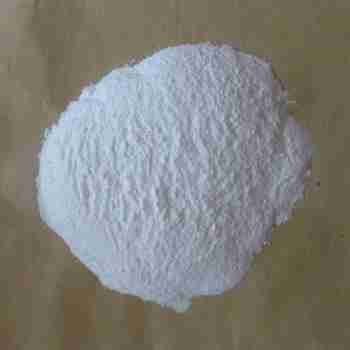
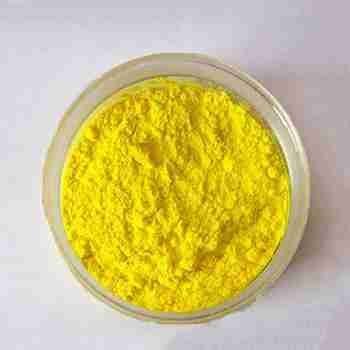
Product name:HYDROXYPROPYL GUAR HYDROXYPROPYLTRIMONIUM CHLORIDE
Purity:99%
Appearance:Light Yellow Powder
Package:Customized according to customer needs.
Sample:Available

Chemical Name: UV-120
Other Name: (2’,4’-Di-tert-butylphenyl 3,5-di-tert-butyl-4-hydroxybenzoate)
CAS No.: 4221-80-1
Molecular Fomula: C29H42O3
Molecular weight: 438.66
Assay: ≥99%(LC)

Product name:Cyclopentane
Purity:96%
Appearance:White powder
Package:25kg/bag
Sample:Available

Chemical Name: Imazalil Sulfate
CAS No.: 58594-72-2
Molecular Formula: C14H14Cl2N2O.H2SO4
Molecular Weight: 395.26
Appearance: Solid
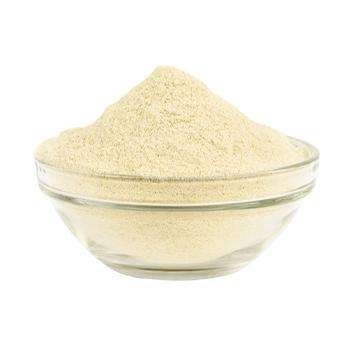
Chemical Name: Arabic gum
CAS No.: 9000-01-5
Appearance: powder
Peptides are two or more amino acids connected together and are a component of proteins. Peptides are mainly divided into three categories: signal peptides, carrier peptides, and peptides that inhibit neural signals. Signal peptides, such as palmitoyl tripeptide-1, act as messengers for cells, triggering collagen synthesis and increasing skin firmness. Palmitoyl tripeptide-1 is a small three amino acid signaling peptide with an amino acid sequence of glycine histidine lysine (GHK). GHK adheres to palmitic acid (a fatty acid) to increase its skin permeability and oil solubility.

Chemical Name: Quercetin-3-O-sophoroside
CAS No.: 18609-17-1
Molecular Formula: C27H30O17
Molecular Weight: 626.52

Chemical Name: (2-Butyl-5-nitrobenzofuran-3-yl)(4-hydroxyphenyl)methanone
Cas No.: 141645-16-1
Molecular Fomula: C19H17NO5
Molecular Weight: 339.34
Appearance: White powder

Chemical Name: Dehydrocholic acid
Synonyms: Acide dehydrocholique; Triketocholanic acid
CAS No.: 81-23-2
Molecular Formula: C24H34O5
Molecular Weight: 402.53
Appearance: Powder

Chemical Name: Ashwagandha Extract
Synonyms: Withania somnifera, ext.; Withania Somnefera Extract
CAS: 90147-43-6
Appearance: Brown

2-(4-Hydroxy-6-methylnicotinamido)-2-(4-hydroxyphenyl)acetic acid is a complex organic compound with a molecular structure that features a nicotinamide group and a phenyl ring. It is characterized by the presence of hydroxyl groups, which can form hydrogen bonds and contribute to its solubility in water. This compound is often found in the field of pharmaceuticals and biochemistry, where it may be involved in the synthesis of various biologically active molecules. Its specific applications and properties would depend on its chemical reactivity and potential interactions with other molecules in a given context.
Chemical Name: Ethyl 3-(pyridin-2-ylamino)propanoate
Cas No.: 103041-38-9
Molecular Fomula: C10H14N2O2
Molecular Weight: 194.23
Appearance: White powder



Reviews
There are no reviews yet.