
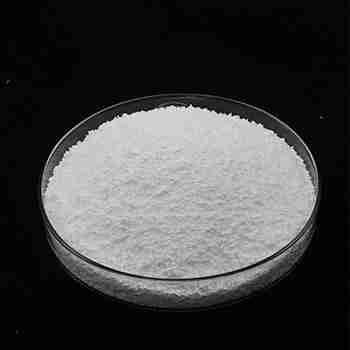
Poly methyl methacrylate CAS 9011-14-7
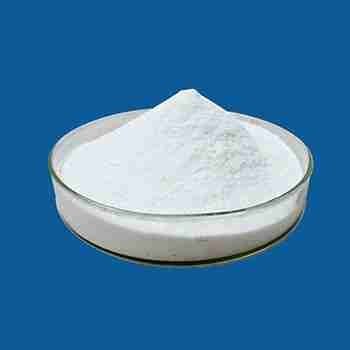
Chemical Name: POLY(METHYL METHACRYLATE)
Other name: PMMA/Poly methyl methacrylate
CAS No.: 9011-14-7
MF: C15H24O6X2
MW: 300.35
Appearance: White Powder
Packing: 25kg/bag
Capacity: 800mt per year
Sample: Available
related documents:
COA of Polymethyl Methacrylate Powder CAS 9011-14-7
MSDS of Polymethyl Methacrylate Powder CAS 9011-14-7
TDS of Polymethyl Methacrylate Powder CAS 9011-14-7
Request for product documents
Description
Polymethyl Methacrylate Powder
Chemical Name: POLY(METHYL METHACRYLATE)
Other name: PMMA/Poly methyl methacrylate
CAS No.: 9011-14-7
MF: C15H24O6X2
MW: 300.35
Appearance: white powder
POLY(METHYL METHACRYLATE) Properties
ITEM
UNIT
PQ60
120-150 MESH
PQ61
150-200 MESH
PQ62
180-200 MESH
The melt flow rate
g/10min
g/10min
1.0-2.0
0.5-1.0
1.0-2.0
Density g/cm3
g/cm3
1.16-1.17
1.18-1.19
1.18-1.19
The melt flow rate
g/10min
g/10min
1.0-2.0
0.5-1.0
1.0-2.0
Ball indentation hardness
N/mm2??
N/mm2??
120
130
130
Mold shrinkage
% ??
%??
0.5
0.5
0.5
Refractive index
25??C
25??
1.50-1.51
1.49-1.50
1.49-1.50
?
POLY(METHYL METHACRYLATE) Usage
It is used to make denture powder and dentures. It is the basic raw material for dentures and artificial limbs.
Manufacturing printing plates, light-curing coatings, adhesives, and inks.
Used in biochemistry and biomedicine, cosmetic intermediates, conductive polymers, plastisol, and other industries.
Used in the manufacture of transparent accessories for airplanes, automobiles, ships, optical lenses, and decorative parts for buildings, etc.
Package and Shipping
Packing: 25kg/bag
POLY(METHYL METHACRYLATE) Storage
Store in a cool, ventilated place indoors, with a storage period of two years.
Related Products
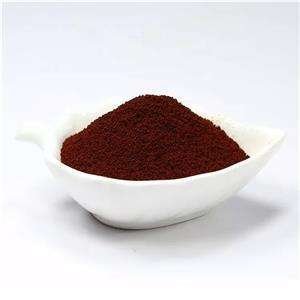
Chemical Name: Choline salicylate
CAS No.: 2016-36-6
Molecular Formula: C12H19NO4
Molecular Weight: 241.28
Appearance: Red-Brown Crystal

N,N-Dimethylaniline is an organic compound with amine and methyl groups attached to a benzene ring. It is a colorless liquid with a characteristic amine odor. This compound is primarily used as a chemical intermediate in the synthesis of dyes, pigments, and polymers. Its reactivity makes it a valuable building block in the production of various organic compounds, particularly in the pharmaceutical and chemical industries.
Silicones are a family of synthetic polymers known for their versatility and stability. They are heat-resistant, non-toxic, and have excellent electrical insulation properties. Commonly used in various industries such as construction, automotive, aerospace, and personal care products, silicones offer a wide range of applications from sealants and adhesives to lubricants and medical devices. Their resistance to extreme temperatures and weathering makes them a preferred choice for many high-performance applications.
Tetraacetylethylenediamine is a fully acetylated derivative of ethylenediamine, offering a high reactivity as an intermediate in organic synthesis. Its unique structure makes it a critical component in the production of specialty chemicals and pharmaceuticals, ensuring a wide range of applications in the chemical industry.

Chemical Name: 1,1,2,2-Tetrachloroethane
Other Name: Tetrachlorethane
CAS No.: 79-34-5
Molecular Formula: C2H2Cl4
Molecular Weight: 167.85
Appearance: Liquid
3,4-Ethylenedioxythiophene is a synthetic organic compound characterized by its unique structure that includes a thiophene ring with ethylenedioxy substituents at the 3 and 4 positions. This compound is known for its potential applications in the synthesis of various organic materials, including pharmaceuticals and organic electronic devices such as sensors and solar cells. Its stability and reactivity make it a versatile intermediate in the chemical industry.
Chemical Name: 3-Hydroxybutyric acid
CAS No.: 625-71-8
Molecular Formula: C4H8O3
Molecular Weight: 104.1
Appearance: White powder
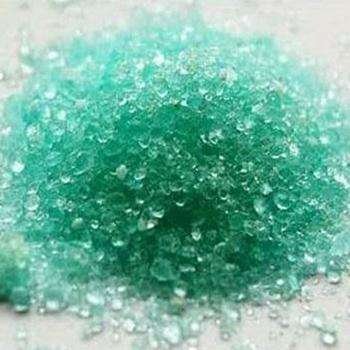
Chemical Name: Ammonium Iron(II) Sulfate
Synonyms: Diammonium iron bis(sulphate); iron (ii) ammonium sulfate
CAS No.: 10045-89-3
Molecular Formula: FeH5NO4S
Molecular Weight: 170.95
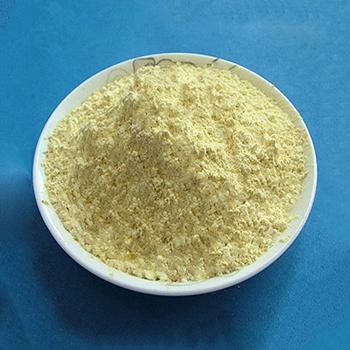
Product name:HYDROXYPROPYL GUAR HYDROXYPROPYLTRIMONIUM CHLORIDE
Purity:99%
Appearance:Light Yellow Powder
Package:Customized according to customer needs.
Sample:Available

Chemical Name: o-Xylene
Synonyms: 1,2-Dimethylbenzene; ortho-xylene
CAS No.: 95-47-6
Molecular Formula: C8H10
Molecular Weight: 106.17
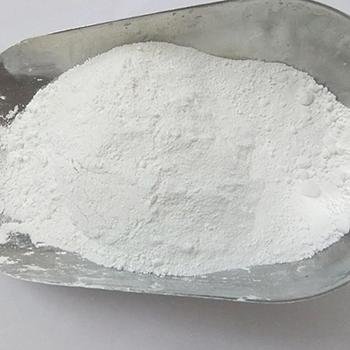
Product name:Cyclopentane
Purity:96%
Appearance:White powder
Package:25kg/bag
Sample:Available
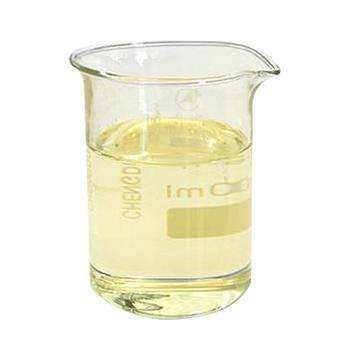
Chemical Name: Potassium Castorate
CAS No.: 8013-05-6
Molecular Formula: C57H107K3O12
Molecular Weight: 1101.74718
Appearance: Yellow Liquid



Reviews
There are no reviews yet.