
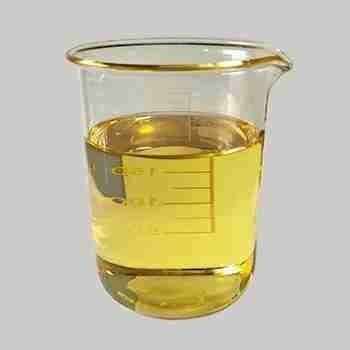
Cinnamon oil Cas 8007-80-5
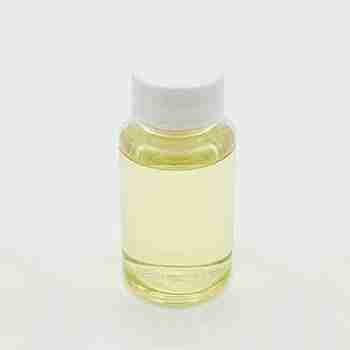
Appearance: Yellow or brown-yellow clarified liquid
Package: 25kg/drum
Sample: Available
related documents:
COA of Cinnamon oil Cas 8007-80-5
TDS of Cinnamon oil Cas 8007-80-5
SDS of Cinnamon oil Cas 8007-80-5
Request for product documents
Description
Cinnamon oil
Cinnamon oil Quick Details
Product Name: Cinnamon oil
CAS: 8007-80-5
Appearance: Yellow or brown-yellow clarified liquid.
Cinnamon oil Technical specifications:
Testing Items
Standard Requirements
Color and Appearance
Yellow or brown-yellow clarified liquid.
Scent
Characteristic aroma of?cinnamon, sweet and spicy.
Relative Density
1.055-1.070
Refractive Index
1.602??1.614
Solubility
1ml volume sample dissolve in 3ml volume of ethanol 70%(v/v)
Cinnamaldehyde Content
C9H8O??75.0%
Cinnamon oil Product Features:
Cinnamon oil?is widely used as flavoring agents in beverages and foods, and also in the preparation of cosmetic flavors and soap flavors.
Cinnamon oil Package:
25kg/drum
Related Products
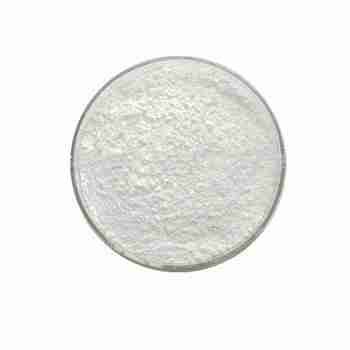
Chemical Name: z-3-decen-1-yl acetate
CAS No.: 81634-99-3
Molecular Fomula: C12H22O2
Molecular weight:?198.3
Appearance:?powder
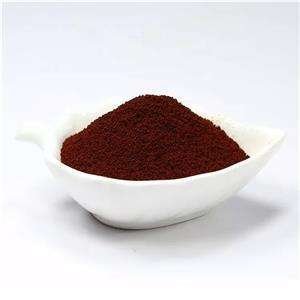
Chemical Name: Methyl cedryl ether
CAS No.: 19870-74-7
Molecular Fomula:?C16H28O
Molecular weight: 236.39
Appearance:?White?powder
Assay: ??99.0%
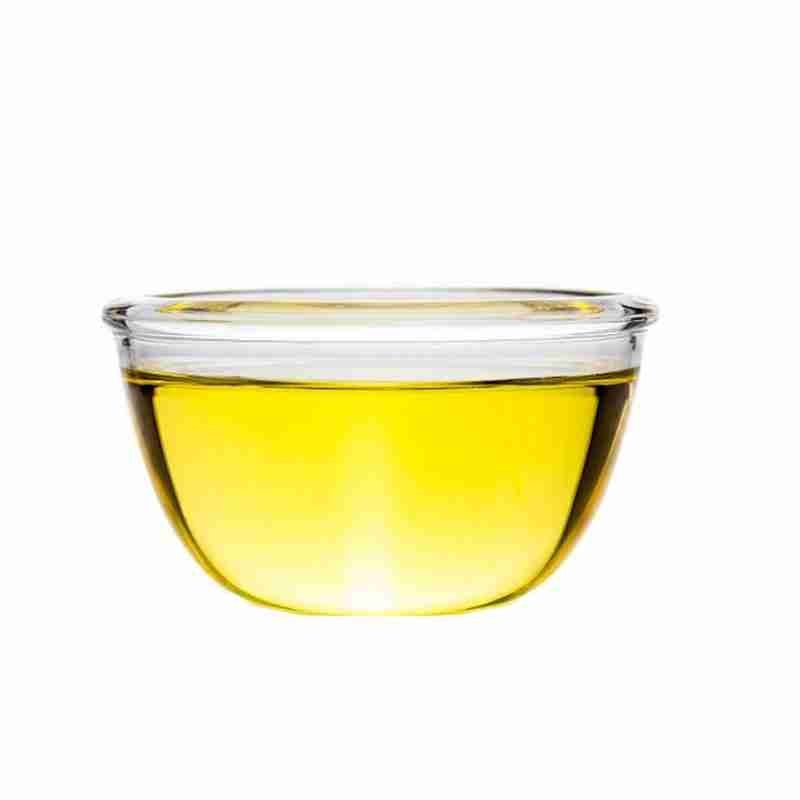
Chemical Name: Choline salicylate
CAS No.: 2016-36-6
Molecular Formula: C12H19NO4
Molecular Weight: 241.28
Appearance: Red-Brown Crystal
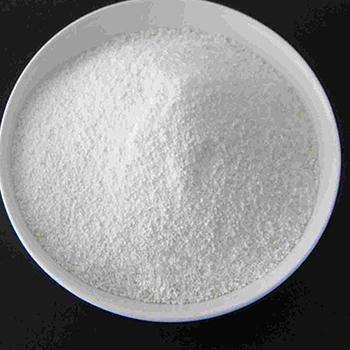
Pogostemon cablin (Blanco) Benth Made from dried leaves. It is a viscous liquid ranging from reddish brown to greenish brown, with a unique, slightly camphor like woody fragrance.The patchouli shrub is mainly planted in Indonesia. It grows up to 1 meter, but when harvested, it will be cut to 10-15 centimeters. It is best to extract oil from sun dried leaves, with a yield of about 2%.The three terpenoids found in patchouli oil, namely caryophyllene, patchouli alcohol or patchouli alcohol, and nopachenol, are the typical sources of patchouli fragrance. Thin layer chromatography and high performance liquid chromatography are used to identify potential chemical markers for evaluating the quality of the Chinese herbal medicine ingredient ??patchouli herb?? (aboveground part of patchouli). In addition to the reported patchouli alcohol and 2-hydroxy-6-methyl-3- (4-methylpentanoyl) -4-pyranone, three phenylethane compounds (acteoside, isoacteoside, and crenatoside) were also isolated from this plant material for the first time.
Chemical Name: Dehydrocholic acid
Synonyms: Acide dehydrocholique; Triketocholanic acid
CAS No.: 81-23-2
Molecular Formula: C24H34O5
Molecular Weight: 402.53
Appearance: Powder
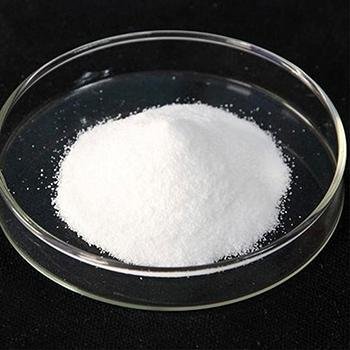
Chemical Name: UV-120
Other Name: (2’,4’-Di-tert-butylphenyl 3,5-di-tert-butyl-4-hydroxybenzoate)
CAS No.: 4221-80-1
Molecular Fomula: C29H42O3
Molecular weight: 438.66
Assay: ≥99%(LC)
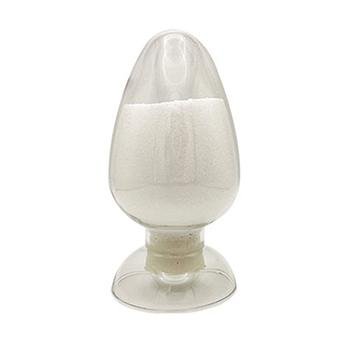
Chemical Name: Imazalil Sulfate
CAS No.: 58594-72-2
Molecular Formula: C14H14Cl2N2O.H2SO4
Molecular Weight: 395.26
Appearance: Solid
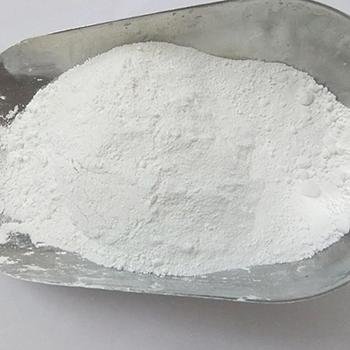
Product name:Cyclopentane
Purity:96%
Appearance:White powder
Package:25kg/bag
Sample:Available
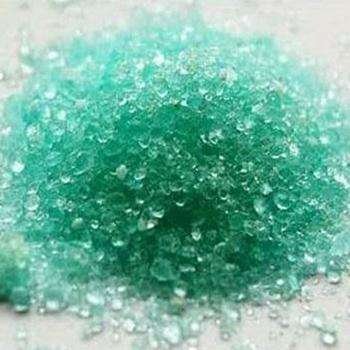
Chemical Name: Ammonium Iron(II) Sulfate
Synonyms: Diammonium iron bis(sulphate); iron (ii) ammonium sulfate
CAS No.: 10045-89-3
Molecular Formula: FeH5NO4S
Molecular Weight: 170.95
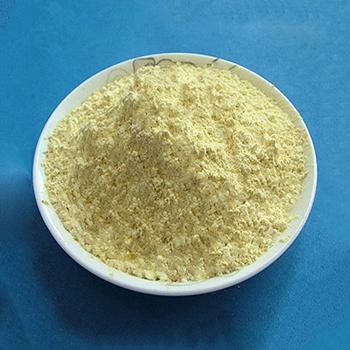
Product name:HYDROXYPROPYL GUAR HYDROXYPROPYLTRIMONIUM CHLORIDE
Purity:99%
Appearance:Light Yellow Powder
Package:Customized according to customer needs.
Sample:Available
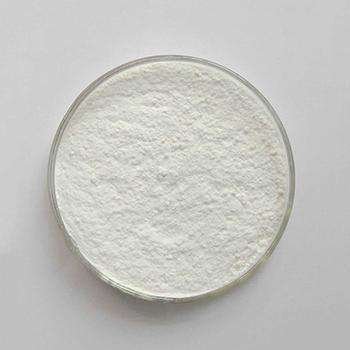
Chemical Name: Zinc citrate
Synonyms: Zinc citrate trihydrate
CAS No.: 546-46-3
Molecular Formula: C6H8O7Zn
Molecular Weight: 257.5
Appearance: White powder



Reviews
There are no reviews yet.