
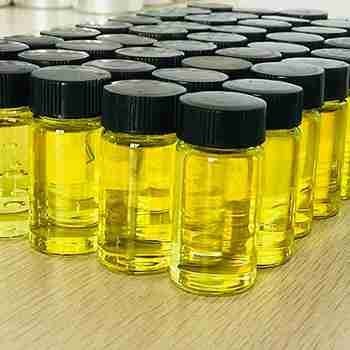
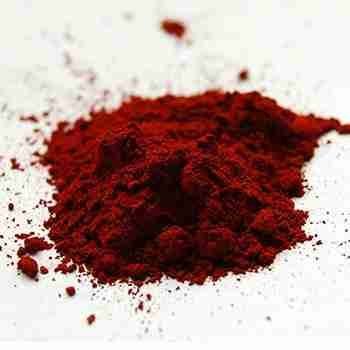

Description
Carrot Seed Oil
Carrot Seed Oil Quick Details
Chemical name: Carrot Seed Oil
Cas No.: 8015-88-1
Carrot Seed Oil Specifications
Item
Specifications
Appearance:
light yellow?liquid
Odour
With?funny flower?aroma
Relative density:
0.900~0.943
Refractive index:
1.483~1.493
Acid value:
??5
Saponification value:
9 ~ 58
Solubility
1ml soluble in 0.5ml 95% alcohol
Optical rotation:
-4?? ~ -30??
Content
Carotol,carotene
Carrot Seed Oil Standard Packing
Packed paper bag, net wt. 250kg/drum, or as per customer request.
Carrot Seed Oil Applications
Widely used in detergent, perfume, beverage, frozen food, bread, cookies and other baked foods, gel jelly, edible gum, candy flavor seasoning, etc.
Carrot Seed Oil Shipping way
For small quantity sample or order, we can ship by courier like DHL, Fedex ,EMSdoor to door.
For large quantity, Air or Sea both are available, as customized.
Related Products

Puerarin, also known as pueraria flavonoids, is a kind of flavonoid glycoside extracted from the roots of Pueraria alba or Pueraria thomsonii and is also one of the main effective ingredients of Pueraria lobata. That Pueraria lobate was used to treat diseases has already been recorded in China??s ancient medical books such as Shen Nong??s Materia Medica, Treatise on Miscellaneous Diseases and Medical Dictionary.
Kanzu root is widely distributed in our country and of rich resources. It has been reported that puerarin could be extracted from Pueraria lobata (Wild.) Ohwi, Radix Pueraria thomsonii, Pueraria omeiensiswanget Tang, Pueraria edulis Pamp and Pueraria phaseoloides, but the content of puerarin differs.
Pueraria has a great value for nutrition and medicine and was considered the south ginseng of China. Puerarin has been widespread concerned over our country for its use of food and medicine in recent years.
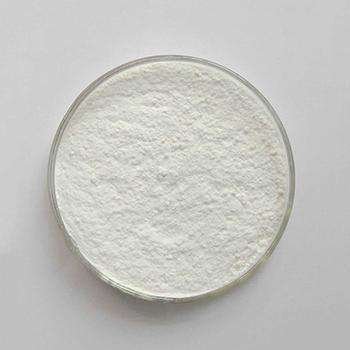
Chemical Name: Zinc citrate
Synonyms: Zinc citrate trihydrate
CAS No.: 546-46-3
Molecular Formula: C6H8O7Zn
Molecular Weight: 257.5
Appearance: White powder

Chemical Name: Reishi Mushroom Extract
CAS No.: /
Molecular Fomula: C16H23O15
Chemical Structure: /
Molecular weight: /
Appearance:Brown powder

Osthole belongs to coumarin compounds. It is prismatic-like crystals (diethyl ether) and needle-like crystals (Ethanol) with the melting point being 83~84 ?? and the boiling point being 145~150 ??. It is soluble in alkaline solution, methanol, ethanol, chloroform, acetone, ethyl acetate, and boiling petroleum ether but insoluble in water and petroleum ether.
Osthole has various kinds of effects of antispasmodic, hypotensive, anti-arrhythmic and enhancing immune function and broad-spectrum antimicrobial effect. Osthole can not only have efficacy such as anti-hypertensive, anti-arrhythmic, anti-inflammatory, anti-tumor and anti-osteoporosis effect, but can also act as a new type of biological pesticides with significant efficacy in treating pests and plant pathogens.
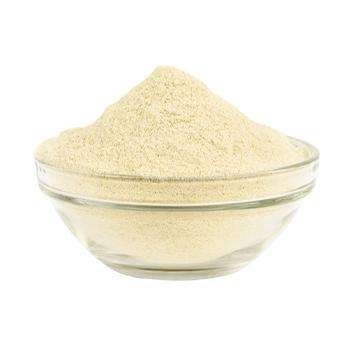
Chemical Name: Arabic gum
CAS No.: 9000-01-5
Appearance: powder

Peony is the dried root of the perennial herbaceous plant Paeoniaceae in the Paeoniaceae family. It is bitter, sour and slightly cold. It returns to the liver and spleen meridians. It has the functions of calming the liver and relieving pain, nourishing blood and regulating menstruation, astringing yin and stopping sweating. It is used for headaches, dizziness, rib pain, abdominal pain, cramps and pain in limbs, blood deficiency and chlorosis, irregular menstruation, spontaneous perspiration, and night sweats.
Paeoniflorin is the main functional component of peony. It is an important physiologically active substance with anti-inflammatory effects, immune system effects, liver protection effects, analgesic effects, etc.

Huperzine A is a natural plant extract. Compared with similar AD treatment drugs approved by the US FDA, Huperzine A has a unique chemical structure and has extremely high selectivity to inhibit acetylcholinesterase in the brain and enhance cholinergic in the brain. function of neurons. In addition, Huperzine A has obvious effects on improving memory and improving cognitive ability.
Huperzine A has a small relative molecular weight, high lipid solubility, and is easy to pass through the blood-brain barrier. After entering the central nervous system, it is mostly distributed in the frontal lobe, temporal lobe, hippocampus and other parts of the brain. Its pharmacological effects have multiple targets. In addition to inhibiting the activity of acetylcholinesterase, it can also antagonize oxidative stress and apoptosis induced by ??-amyloid peptide (A??), hydrogen peroxide and other neurotoxins, by activating the protein kinase C (PKC) signal transduction pathway. Activation of ??-secretase promotes the decomposition of ??-amyloid precursor protein (APP) in a non-amyloidogenic manner to produce sAPP??, reducing A??-mediated toxicity, while sAPP?? can effectively promote cell proliferation, axonal growth, and protect nerves. cell.

Hydroxytyrosol, a potent antioxidant polyphenol derived from olives, is celebrated for its health-promoting properties. Highly valued in the nutraceutical, cosmetic, and pharmaceutical sectors, it contributes to the development of products that support well-being and skin health.
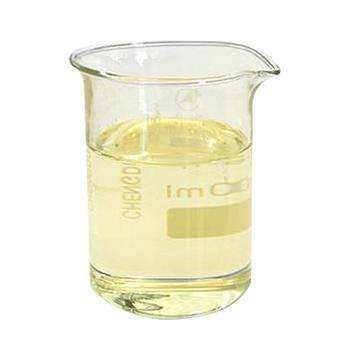
Chemical Name: Potassium Castorate
CAS No.: 8013-05-6
Molecular Formula: C57H107K3O12
Molecular Weight: 1101.74718
Appearance: Yellow Liquid


Chemical Name: Quercetin-3-O-sophoroside
CAS No.: 18609-17-1
Molecular Formula: C27H30O17
Molecular Weight: 626.52
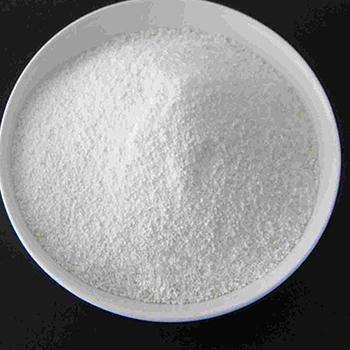
Chemical Name: Dehydrocholic acid
Synonyms: Acide dehydrocholique; Triketocholanic acid
CAS No.: 81-23-2
Molecular Formula: C24H34O5
Molecular Weight: 402.53
Appearance: Powder



Reviews
There are no reviews yet.