

Description
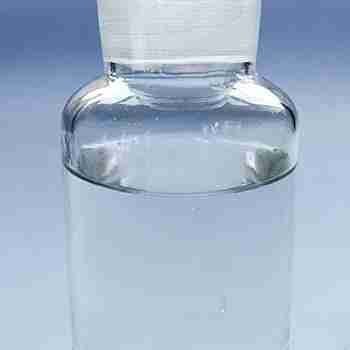
Product?Name: 1,3,5-TRIMETHYLHEXAHYDRO-1,3,5-TRIAZINE?
Synonyms??hexahydro-1,3,5-trimethyl-1,3,5-triazine
CAS No: 108-74-7
Molecular Formula: C6H15N3
Molecular Structure:
Specification
Item
Specifications
Appearance
Colorless or light yellow transparent liquid
PH(1% aqueous solution)
9.5??11.5
Density
1.00??1.03
Content
??42%
Refractive index
1.360-1.460
Usage
(MMA) Trimethyl-s-triazine SSHN-02 is a cyclic triamine which is a fungicide and also It is a very good desulfurizer for oilfield crude oil and natural gas(biogas desulfurizer & crude oil desulfurizer). It is mainly used as Scavenger for acid gases such as H 2 S and mercaptans in gaseous or liquid hydrocarbon streams.
SSHN-02 series of crude oil desulfurizers have oil-soluble-water-dispersing characteristics, and can have all-round effects on oil, water, gaseous H2S and organic sulfur;
The dosage is small, the reaction is fast, the desulfurization effect is remarkable, and the reduction range is large. The amount added is 2??C6?? Suitable for sour crude oil of various properties; After the reaction of the crude oil desulfurizer, the product has stable performance, is not easy to decompose when heated, and can be biodegraded; the product is a water-soluble and stable organic polysulfide compound, which is discharged with water after being treated by the demulsification and dehydration process of the joint station-it can be injected back into the oil well, Or discharged into the wastewater treatment plant, not brought into the refinery along with the crude oil.
The product has almost no corrosion to steel; In the environment of multiple media, it has good selectivity to H2S and high sulfur removal efficiency; The product does not contain salt and is not easy to cause salt precipitation; The filling process is simple. Dosing is mainly through metering pumps, which consumes very little energy; the desulfurization agent can undergo desulfurization reaction at room temperature, and the process of eliminating hydrogen sulfide is an exothermic process, which generally does not require energy consumption. Requirements for downstream devices: It is not easy to cause salt formation and corrosion; it does not affect the activity of the catalyst.
Package
IBC Drum
Storage
Store in a tightly closed container,in a cold,dry,well-ventilated area away from incompatible substances
Related Products

N,N-Dimethylaniline is an organic compound with amine and methyl groups attached to a benzene ring. It is a colorless liquid with a characteristic amine odor. This compound is primarily used as a chemical intermediate in the synthesis of dyes, pigments, and polymers. Its reactivity makes it a valuable building block in the production of various organic compounds, particularly in the pharmaceutical and chemical industries.

Chemical Name: Potassium Castorate
CAS No.: 8013-05-6
Molecular Formula: C57H107K3O12
Molecular Weight: 1101.74718
Appearance: Yellow Liquid

Product name:HYDROXYPROPYL GUAR HYDROXYPROPYLTRIMONIUM CHLORIDE
Purity:99%
Appearance:Light Yellow Powder
Package:Customized according to customer needs.
Sample:Available

Ethylhexyl Palmitate is a skin-conditioning ester, derived from ethylhexanol and palmitic acid, that imparts moisturization and a smooth texture to cosmetic and personal care formulations. It is valued for its emollient properties, enhancing the sensory experience of skin care products.
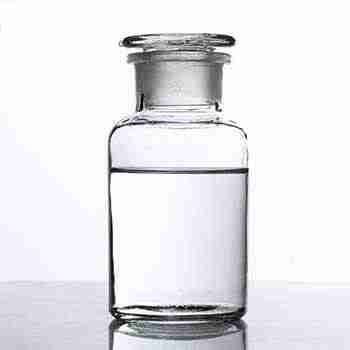
1-Octanol, also known as Capryl alcohol or n-Octanol, is a clear, colorless liquid with a characteristic waxy odor. It is an alcohol with eight carbon atoms in its chain, making it a part of the aliphatic alcohol family. This compound is poorly soluble in water but is miscible with ethanol, diethyl ether, and chloroform . It has a melting point of approximately -15??C and a boiling point of around 196??C . 1-Octanol is used in the production of esters, plasticizers, and as a solvent or intermediate in the synthesis of various organic compounds. It also finds application in the fragrance industry as a fixative in perfumes and can be used in the formulation of flavor and scent compositions . It is important to note that 1-Octanol is flammable and should be handled with care, storing it away from sources of ignition and heat .
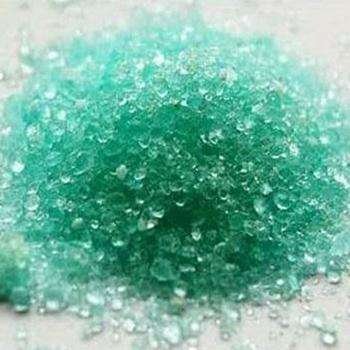
Chemical Name: Ammonium Iron(II) Sulfate
Synonyms: Diammonium iron bis(sulphate); iron (ii) ammonium sulfate
CAS No.: 10045-89-3
Molecular Formula: FeH5NO4S
Molecular Weight: 170.95

Chemical Name: Quercetin-3-O-sophoroside
CAS No.: 18609-17-1
Molecular Formula: C27H30O17
Molecular Weight: 626.52

Benzothiazoles are a class of chemical compounds characterized by a fused benzene and thiazole ring. They exhibit a broad spectrum of applications, particularly as antioxidants in rubber and plastic industries, enhancing product longevity and performance. Additionally, benzothiazoles serve as key intermediates in the synthesis of pharmaceuticals, contributing to the development of life-saving drugs. Recognized for their stability and reactivity, these compounds are integral to advancing material science and healthcare solutions.

Chemical Name: Ashwagandha Extract
Synonyms: Withania somnifera, ext.; Withania Somnefera Extract
CAS: 90147-43-6
Appearance: Brown

Chemical Name: UV-120
Other Name: (2’,4’-Di-tert-butylphenyl 3,5-di-tert-butyl-4-hydroxybenzoate)
CAS No.: 4221-80-1
Molecular Fomula: C29H42O3
Molecular weight: 438.66
Assay: ≥99%(LC)
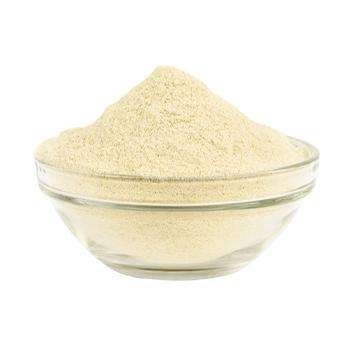
Chemical Name: Arabic gum
CAS No.: 9000-01-5
Appearance: powder
POLY(VINYL CHLORIDE-CO-ISOBUTYL VINYL ETHER) is a copolymer that combines the properties of vinyl chloride and isobutyl vinyl ether. This polymer offers a balance of rigidity and flexibility, along with enhanced chemical resistance and durability. It is commonly used in the production of films, coatings, and adhesives due to its excellent barrier properties against gases and moisture, making it ideal for packaging and construction applications.



Reviews
There are no reviews yet.