



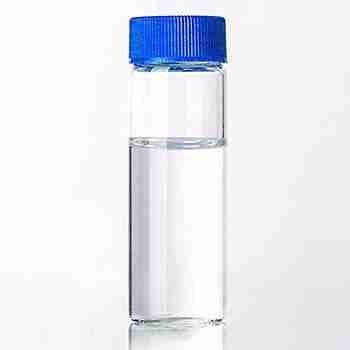
Description
Ethyl Butyrate?Details
Chemical Name: Ethyl Butyrate
CAS No.:?105-54-4
Molecular Fomula: C6H12O2
Chemical Structure:
Molecular weight??116.16
Aaasy: 99%
Appearance: Colorless liquid
Packaging:?180KG/drum
Dangerous cargos: Class 3?dangerous goods (UN 1180?3/PG 3)
Ethyl Butyrate?Properties?(As 99% for example)
Item
Standard
Appearance
Colorless liquid
Purity
??99.0%
Relative density(25/25??)
0.870-0.877
Refractive index(20??)
1.391-1.394
Acidity
??1.0 mgKOH/g
Solubility(25??)
1ml sample clearly soluble
in 3ml ethanol of 60%(v/v)
Ethyl Butyrate?Usage:
Ethyl butyrate is used in various food, beverage, wine and tobacco flavors
Ethyl Butyrate?Packaging and Shipping
Packing:?180KG/drum
Delivery:?By sea or by air or by courier
Ethyl Butyrate?Storage
Storage Conditions:The warehouse is ventilated, low-temperature and dry; stored separately from oxidants and acids
Related Products
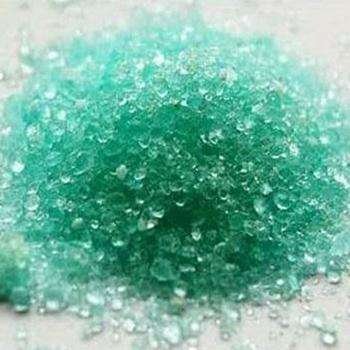
Chemical Name: Ammonium Iron(II) Sulfate
Synonyms: Diammonium iron bis(sulphate); iron (ii) ammonium sulfate
CAS No.: 10045-89-3
Molecular Formula: FeH5NO4S
Molecular Weight: 170.95
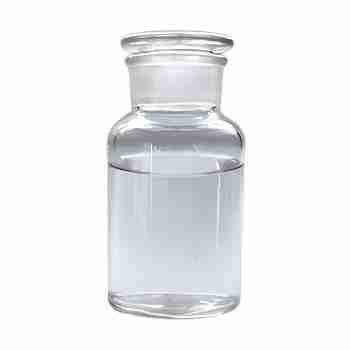
Chemical Name: PHENYL VALERATE
Synonyms: Phenyl pentanoate; Pentanoic acid phenyl ester
Cas No.: 20115-23-5
Molecular Fomula: C11H14O2
Molecular Weight: 178.23
Appearance:?Transparent Colorless Liquid
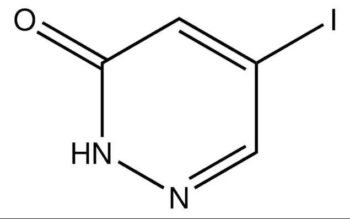
Common English name: 5-iodo-2,3-dihydropyridazin-3-one
CAS No.: 825633-94-1
Molecular formula: C4H3IN2O
Molecular weight: 221.98
Sample: Available
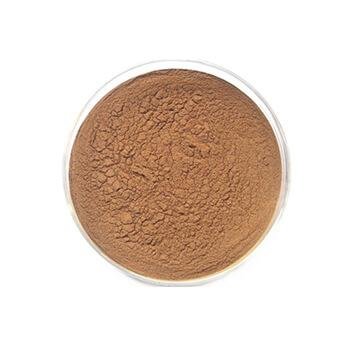
Chemical Name: Ashwagandha Extract
Synonyms: Withania somnifera, ext.; Withania Somnefera Extract
CAS: 90147-43-6
Appearance: Brown
Chemical Name: o-Xylene
Synonyms: 1,2-Dimethylbenzene; ortho-xylene
CAS No.: 95-47-6
Molecular Formula: C8H10
Molecular Weight: 106.17
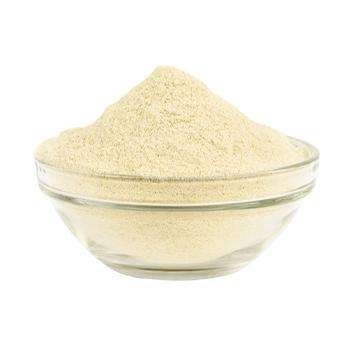
Chemical Name: Arabic gum
CAS No.: 9000-01-5
Appearance: powder
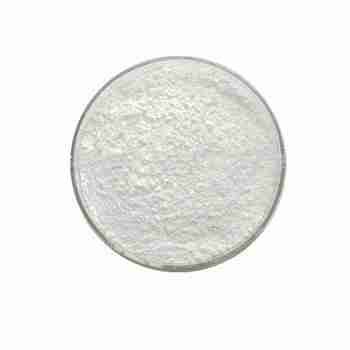
Chemical Name: Methyl cedryl ether
CAS No.: 19870-74-7
Molecular Fomula:?C16H28O
Molecular weight: 236.39
Appearance:?White?powder
Assay: ??99.0%
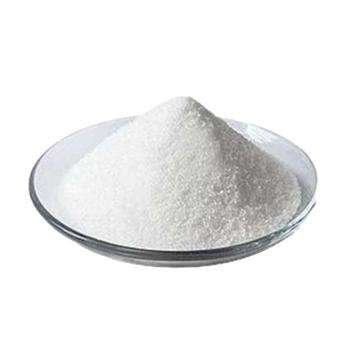
Chemical Name: 3-Hydroxybutyric acid
CAS No.: 625-71-8
Molecular Formula: C4H8O3
Molecular Weight: 104.1
Appearance: White powder

Cinnamic aldehyde is used as a flavoring agent, ingredient of fragrance in soft drinks, ice creams, dentifrices, pastries, chewing-gum, etc. It can induce both contact urticaria and delayed-type reactions. It can be implicated in contact dermatitis in those who work in the perfume industry or food handlers. Cinnamic aldehyde is contained in the “fragrance mix”.
Cinnamaldehyde is a pale yellow to yellow-green oily liquid with a strong pungent, spicy, cinnamon odor. It is generally insoluble in water and many organic solvents, but is miscible with alcohol and other flavoring oils. Exposure to air will cause thickening and oxidation.
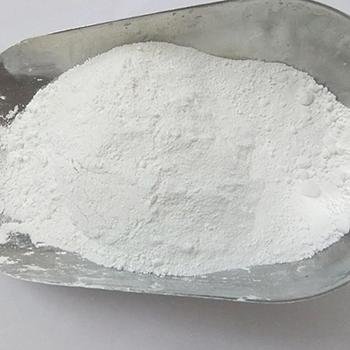
Product name:Cyclopentane
Purity:96%
Appearance:White powder
Package:25kg/bag
Sample:Available
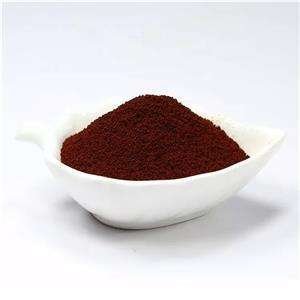
Chemical Name: Choline salicylate
CAS No.: 2016-36-6
Molecular Formula: C12H19NO4
Molecular Weight: 241.28
Appearance: Red-Brown Crystal



Reviews
There are no reviews yet.