
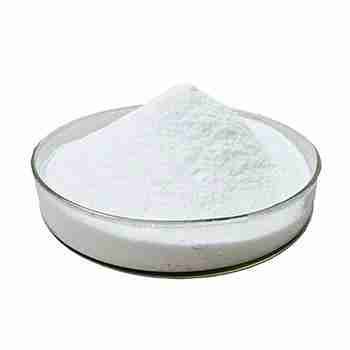
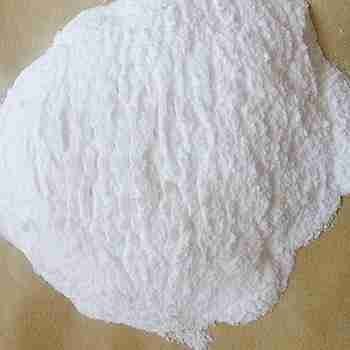

Description
Silicon Powder Details
Chemical Name: Silicon Powder
CAS No.: 7440-21-3
Molecular Formula: H4Si
Molecular Weight: 32.12
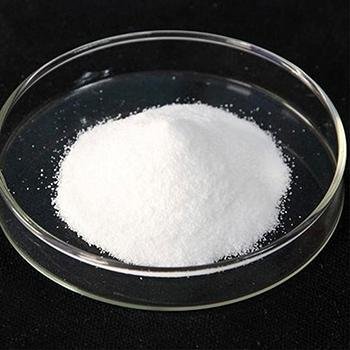
Appearance: white powder
Silicon Powder Typical Properties
Melting point
1410???C(lit.)
Boiling point
2355???C(lit.)
Density
2.33?g/mL?at 25???C(lit.)
Water Solubility
INSOLUBLE
Storage
Flammables area
Appearance
powder
Colour
White
PH
13.5 (H2O, 20??C)
Silicon Powder Usage
?1. Silicon is mainly used as a compound to make polycrystalline silicon, monocrystalline silicon, silicon-aluminum alloys and silicon steel alloys;
2. It is used to make alloys, organic silicon compounds and silicon tetrachloride, etc., and is an extremely important semiconductor material;
3. It is used to make transistors, rectifiers and solar cells, and is also used to make high-grade Chemicalbook silicon cast iron, silicon steel, various organic silicon compounds, etc.;
4. It is a raw material for making semiconductor silicon devices and is used to make high-power rectifiers, high-power transistors, and diodes. , switching devices, etc.;
5. Used to manufacture semiconductor discrete devices, power devices, integrated circuits and epitaxial substrates, etc.
Silicon Powder Packaging and Shipping
Packing: 25KG/Drum
Silicon Powder Storage
Keep container tightly closed in a dry and well-ventilated place. Store in cool place.
Related Products
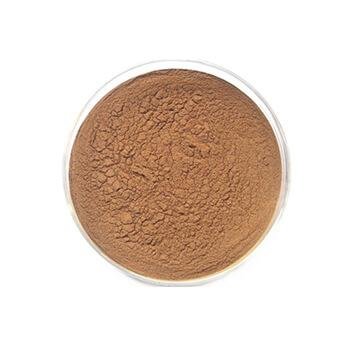
Chemical Name: Ashwagandha Extract
Synonyms: Withania somnifera, ext.; Withania Somnefera Extract
CAS: 90147-43-6
Appearance: Brown

Aluminum chlorohydrate is an inorganic compound often used as a coagulant in water treatment processes. It is also known for its astringent properties and is utilized in various personal care products, such as antiperspirants and deodorants, due to its ability to temporarily close sweat glands. It enhances the viscosity and stability of formulations, making it a valuable ingredient in cosmetics and pharmaceuticals.

Chemical Name: Ammonium Iron(II) Sulfate
Synonyms: Diammonium iron bis(sulphate); iron (ii) ammonium sulfate
CAS No.: 10045-89-3
Molecular Formula: FeH5NO4S
Molecular Weight: 170.95

Chemical Name: 3-Hydroxybutyric acid
CAS No.: 625-71-8
Molecular Formula: C4H8O3
Molecular Weight: 104.1
Appearance: White powder

Product name:Cyclopentane
Purity:96%
Appearance:White powder
Package:25kg/bag
Sample:Available

Kaolin, also known as china clay, is a naturally occurring hydrated aluminum silicate mineral. It is a soft, white, plastic clay that is widely used in ceramics, papermaking, and as a pigment in paints, coatings, and plastics. Kaolin is valued for its fine particle size, purity, and ability to improve the brightness and opacity of materials. Its inert nature and high refractive index make it ideal for various industrial applications, including cosmetics and pharmaceuticals.

Chemical Name: 1,1,2,2-Tetrachloroethane
Other Name: Tetrachlorethane
CAS No.: 79-34-5
Molecular Formula: C2H2Cl4
Molecular Weight: 167.85
Appearance: Liquid
Aluminum chlorohydrate is an inorganic compound often used as a coagulant in water treatment processes. It is also known for its astringent properties and is utilized in various personal care products, such as antiperspirants and deodorants, due to its ability to temporarily close sweat glands. It enhances the viscosity and stability of formulations, making it a valuable ingredient in cosmetics and pharmaceuticals.

Silicon dioxide, commonly known as silica, is a naturally occurring compound found in quartz and sand. It is a primary component of most rocks and is widely used in various industries due to its high thermal stability, chemical inertness, and optical clarity. In chemical applications, it is valued for its abrasive, refractory, and adsorptive properties, making it essential in products like glass, ceramics, and electronics.
Chemical Name: o-Xylene
Synonyms: 1,2-Dimethylbenzene; ortho-xylene
CAS No.: 95-47-6
Molecular Formula: C8H10
Molecular Weight: 106.17
Chemical Name: UV-120
Other Name: (2’,4’-Di-tert-butylphenyl 3,5-di-tert-butyl-4-hydroxybenzoate)
CAS No.: 4221-80-1
Molecular Fomula: C29H42O3
Molecular weight: 438.66
Assay: ≥99%(LC)

Copper(II) sulfate, with the chemical formula CuSO4, is a blue crystalline compound that is soluble in water. It is commonly used in agriculture as a fungicide and in the textile industry as a dye fixative. Copper(II) sulfate is also utilized in the manufacture of pigments, batteries, and as an algaecide in water treatment. Its distinctive blue color and reactivity make it a versatile chemical in various industrial applications, including chemical analysis and electroplating.



Reviews
There are no reviews yet.