
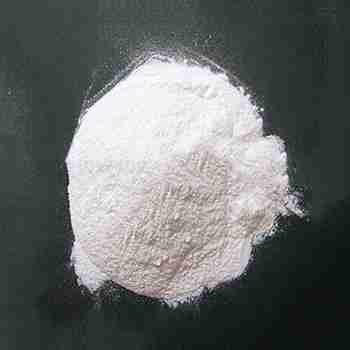
Magnesium sulfate CAS 7487-88-9

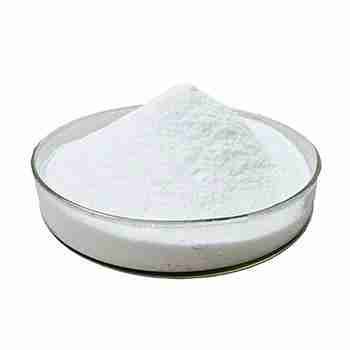
Chemical Name: Magnesium sulfate
Synonyms: Magnesium Sulfate Anhydrous; Sulfuric acid magnesium salt
CAS No.: 7487-88-9
Molecular Formula: MgSO4
Molecular Weight: 120.37
Appearance: White powder
Description
Magnesium sulfate Details
Chemical Name: Magnesium sulfate
Synonyms: Magnesium Sulfate Anhydrous; Sulfuric acid magnesium salt
CAS No.: 7487-88-9
Molecular Formula: MgSO4
Molecular Weight: 120.37
Molecular?Structure:
Appearance: White powder
Typical Properties
Solubility
H2O:1 Mat 20 ??C, transparent, colorless
Density
1.07?g/mL?at 20???C
Melting point
1124 ??C
Appearance
powder
Color
White
Storage conditions
no restrictions.
Vapor density
<0.01 (vs air)
Magnesium sulfate Usage
Analytical reagents. Desiccant.
Desiccant. Used medicinally as a laxative. It is also used in tanning, explosives, fertilizers, papermaking, porcelain, printing dyes and other industries.
Used as raw material for manufacturing magnesium salts, used in the production of veterinary drugs and laxatives, feed additives, fertilizers, etc.
Used as analytical reagents, also in the pharmaceutical industry and printing and dyeing industry
Anhydrous magnesium sulfate is mainly used in feed additives as a supplement of trace element magnesium.
Packaging and Shipping
Packing: 25KG/Drum
Magnesium sulfate Storage
Keep the container tightly closed in a dry and well-ventilated place. Store in a cool place.
Related Products
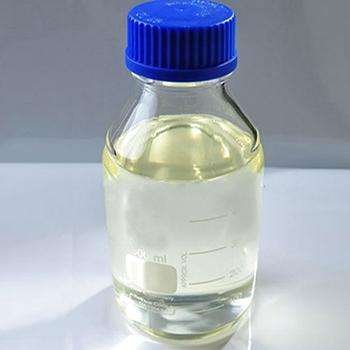
Chemical Name: 1,1,2,2-Tetrachloroethane
Other Name: Tetrachlorethane
CAS No.: 79-34-5
Molecular Formula: C2H2Cl4
Molecular Weight: 167.85
Appearance: Liquid
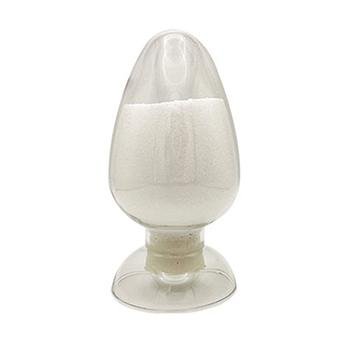
Chemical Name: Imazalil Sulfate
CAS No.: 58594-72-2
Molecular Formula: C14H14Cl2N2O.H2SO4
Molecular Weight: 395.26
Appearance: Solid
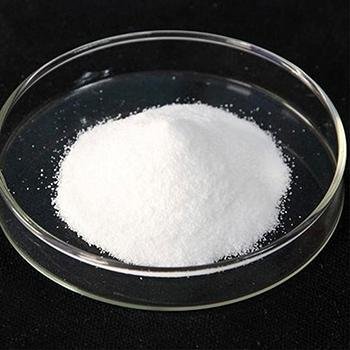
Chemical Name: UV-120
Other Name: (2’,4’-Di-tert-butylphenyl 3,5-di-tert-butyl-4-hydroxybenzoate)
CAS No.: 4221-80-1
Molecular Fomula: C29H42O3
Molecular weight: 438.66
Assay: ≥99%(LC)

Aluminum chlorohydrate is an inorganic compound often used as a coagulant in water treatment processes. It is also known for its astringent properties and is utilized in various personal care products, such as antiperspirants and deodorants, due to its ability to temporarily close sweat glands. It enhances the viscosity and stability of formulations, making it a valuable ingredient in cosmetics and pharmaceuticals.

Kaolin, also known as china clay, is a naturally occurring hydrated aluminum silicate mineral. It is a soft, white, plastic clay that is widely used in ceramics, papermaking, and as a pigment in paints, coatings, and plastics. Kaolin is valued for its fine particle size, purity, and ability to improve the brightness and opacity of materials. Its inert nature and high refractive index make it ideal for various industrial applications, including cosmetics and pharmaceuticals.
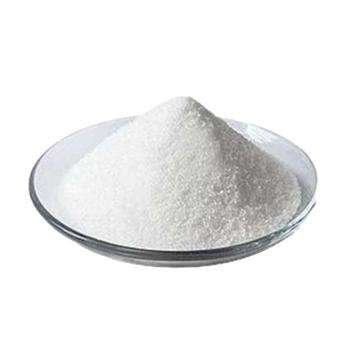
Chemical Name: 3-Hydroxybutyric acid
CAS No.: 625-71-8
Molecular Formula: C4H8O3
Molecular Weight: 104.1
Appearance: White powder
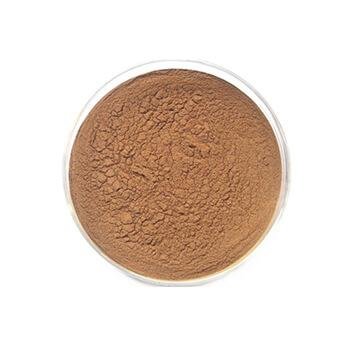
Chemical Name: Ashwagandha Extract
Synonyms: Withania somnifera, ext.; Withania Somnefera Extract
CAS: 90147-43-6
Appearance: Brown

Carbon is a fundamental element found in all organic life and a key component of many inorganic materials. It is known for its ability to form long chains and complex structures, which makes it the basis of various compounds, including diamond, graphite, and fullerenes. Carbon is used in a wide range of applications, from manufacturing steel and other alloys to being a key element in batteries and as a pigment in inks and paints.
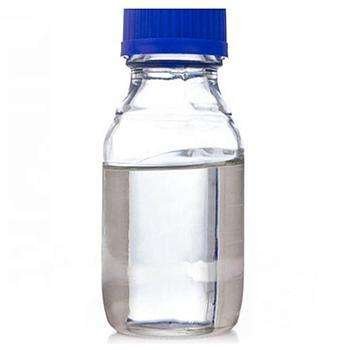
Chemical Name: STODDARD SOLVENT
CAS No.: 64742-88-7
Appearance: Colorless or Light Yellow Liquid
Chemical Name: Quercetin-3-O-sophoroside
CAS No.: 18609-17-1
Molecular Formula: C27H30O17
Molecular Weight: 626.52
Chemical Name: Zinc citrate
Synonyms: Zinc citrate trihydrate
CAS No.: 546-46-3
Molecular Formula: C6H8O7Zn
Molecular Weight: 257.5
Appearance: White powder
Chemical Name: Dehydrocholic acid
Synonyms: Acide dehydrocholique; Triketocholanic acid
CAS No.: 81-23-2
Molecular Formula: C24H34O5
Molecular Weight: 402.53
Appearance: Powder



Reviews
There are no reviews yet.