
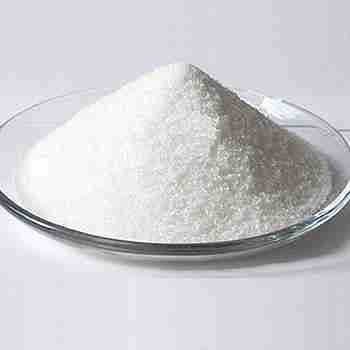
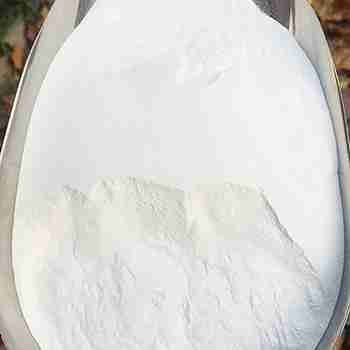
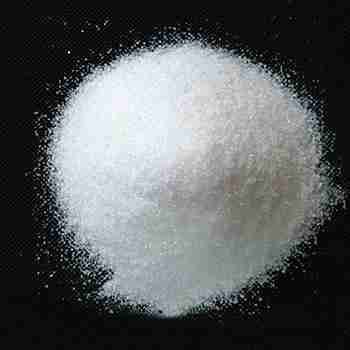
Description
Glycerol monolaurate Quick Details
Chemical Name: Glycerol monolaurate
CAS No.: 27215-38-9
Molecular Formula: C15H30O4
Chemical Structure:
Molecular weight:?274.4
Appearance:?White or light yellow fine-grained crystals
Assay????99%
Glycerol monolaurate?Typical Properties
ITEMS
SPECIFICATION
Density
1.0??0.1 g/cm3
Melting point
50 ??C
Boiling point
397.4??22.0 ??C at 760 mmHg
Glycerol monolaurate?application:
Widely used in industries such as food, cosmetics, textiles, leather, etc.
Glycerol monolaurate?Packaging and Shipping?
Customized according to customer needs.
Glycerol monolaurate?Storage
It should be stored in a clean, dry and cool place, preventing from sunlight, rain.
Related Products
Microcrystalline cellulose is a purified, partially depolymerized cellulose that occurs as a white, odorless, tasteless, crystalline powder composed of porous particles. It is commercially available in different particle sizes and moisture grades that have different properties and applications.
Microcrystalline cellulose and carboxymethylcellulose sodium occurs as a white or off-white odorless and tasteless hygroscopic powder containing 5?C22% sodium carboxymethylcellulose. It is a water-dispersible organic hydrocolloid.
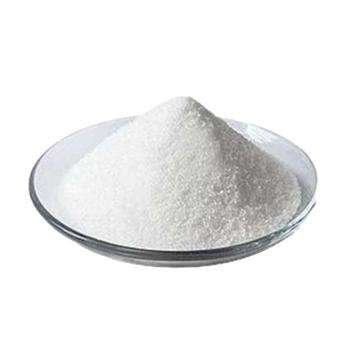
Chemical Name: 3-Hydroxybutyric acid
CAS No.: 625-71-8
Molecular Formula: C4H8O3
Molecular Weight: 104.1
Appearance: White powder
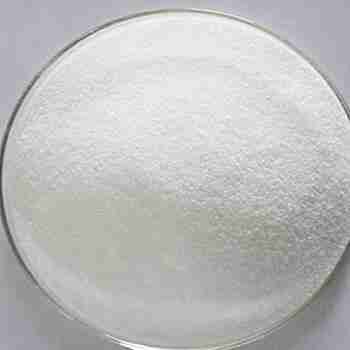
Chemical Name: Polyglycerol Fatty Acid Ester
Synonyms: Decaglyceryl Dipalmitate
CAS No.: 67784-82-1
Molecular Fomula: C3H8O3
Molecular weight:432.642
Appearance:?White to yellow powder, solid, mucus
Assay: 99.9%
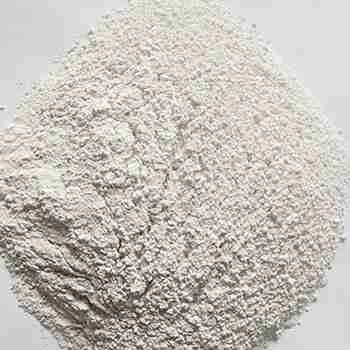
Chemical Name: LOCUST BEAN GUM
CAS No.:9000-40-2
Molecular Fomula: C10H11ClN2O2
Molecular weight: 226.65954
Appearance: Off-white to light beige solid
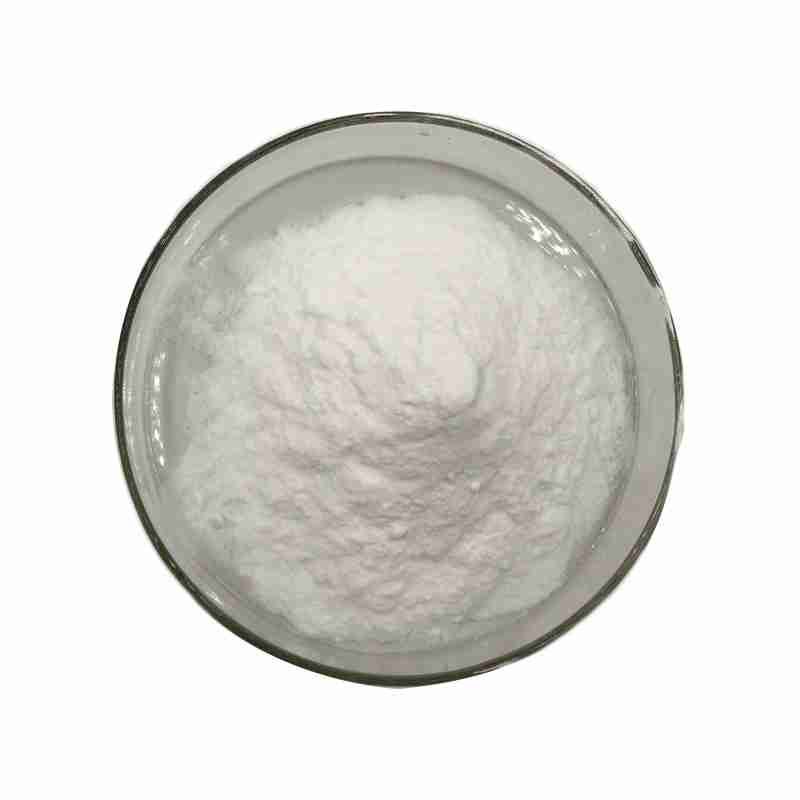
Monostearin is a versatile emulsifier and emollient derived from glycerol and stearic acid. It is instrumental in stabilizing emulsions and enhancing the texture and consistency of a wide range of products in the cosmetics, food, and pharmaceutical sectors.
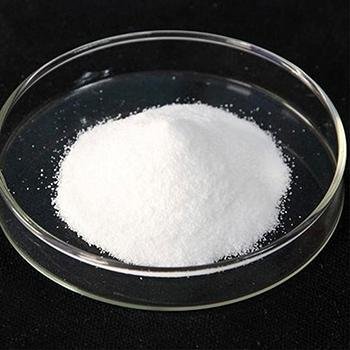
Chemical Name: UV-120
Other Name: (2’,4’-Di-tert-butylphenyl 3,5-di-tert-butyl-4-hydroxybenzoate)
CAS No.: 4221-80-1
Molecular Fomula: C29H42O3
Molecular weight: 438.66
Assay: ≥99%(LC)
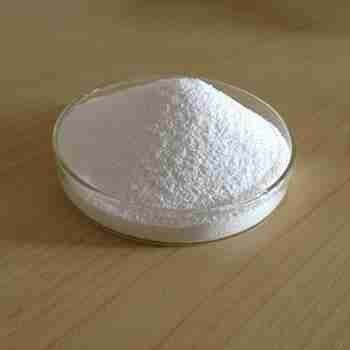
Chemical Name: Hydroxypropyl starch
Synonyms: Starch 2-hydroxypropyl ether; Hydroxypropyl starch ether; 2-Hydroxypropyl starch
Cas No.: 9049-76-7
Molecular Fomula: C24H42O21
Molecular Weight: 666.57768
Appearance:?White Powder
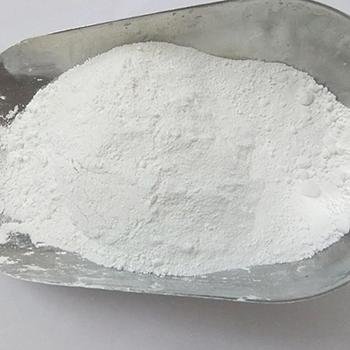
Product name:Cyclopentane
Purity:96%
Appearance:White powder
Package:25kg/bag
Sample:Available
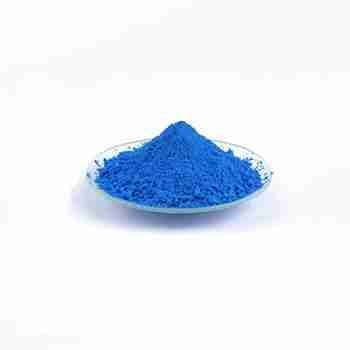
Chemical Name: COPPER (II) GLUCONATE, MIN. 98
CAS No.: 13005-35-1
Molecular Fomula: C12H22CuO14
Molecular weight: 453.84068
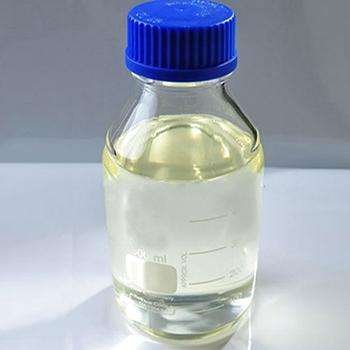
Chemical Name: 1,1,2,2-Tetrachloroethane
Other Name: Tetrachlorethane
CAS No.: 79-34-5
Molecular Formula: C2H2Cl4
Molecular Weight: 167.85
Appearance: Liquid
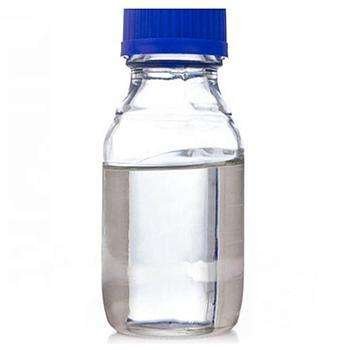
Chemical Name: STODDARD SOLVENT
CAS No.: 64742-88-7
Appearance: Colorless or Light Yellow Liquid
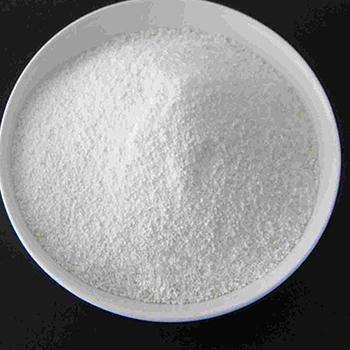
Chemical Name: Dehydrocholic acid
Synonyms: Acide dehydrocholique; Triketocholanic acid
CAS No.: 81-23-2
Molecular Formula: C24H34O5
Molecular Weight: 402.53
Appearance: Powder



Reviews
There are no reviews yet.