

Description
SODIUM LAURETH-4 CARBOXYLATE Quick Details
Chemical Name: SODIUM LAURETH-4 CARBOXYLATE
CAS No.: 38975-04-1
Molecular Fomula: C16H31NaO4
Chemical Structure:
Molecular weight:?310.40471
Assay: 98%min
?Typical Properties
Appearance
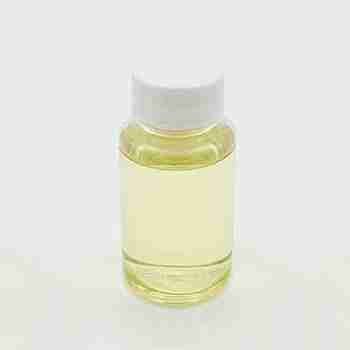
Light yellowish, Semi-transparent liquid
Usage
Cosmetics, Hair care, Body care, Home care, I&I
?
SODIUM LAURETH-4 CARBOXYLATE?application:
SODIUM LAURETH-4 CARBOXYLATE?is an ionic surfactant, mainly used in laboratory research and development processes and chemical production processes.
Packaging and Shipping
25kg/drum or according to the custom requirement.
SODIUM LAURETH-4 CARBOXYLATE Storage
It should be stored in a clean, dry, and cool place, preventing from sunlight, rain.
Related Products
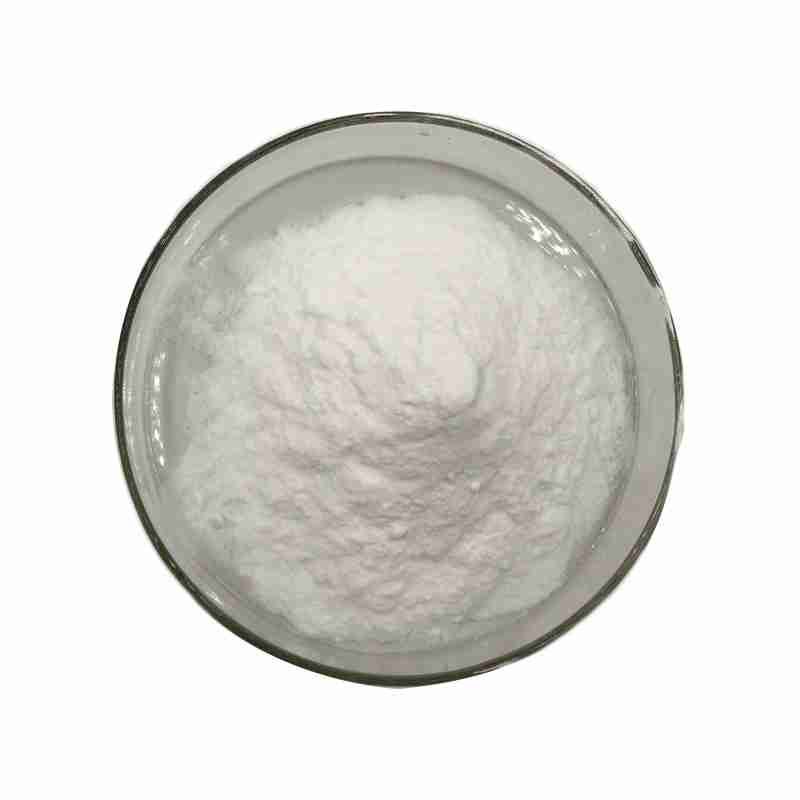
Monostearin is a versatile emulsifier and emollient derived from glycerol and stearic acid. It is instrumental in stabilizing emulsions and enhancing the texture and consistency of a wide range of products in the cosmetics, food, and pharmaceutical sectors.
Chemical Name: o-Xylene
Synonyms: 1,2-Dimethylbenzene; ortho-xylene
CAS No.: 95-47-6
Molecular Formula: C8H10
Molecular Weight: 106.17
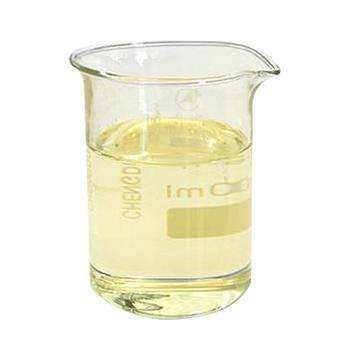
Chemical Name: Potassium Castorate
CAS No.: 8013-05-6
Molecular Formula: C57H107K3O12
Molecular Weight: 1101.74718
Appearance: Yellow Liquid
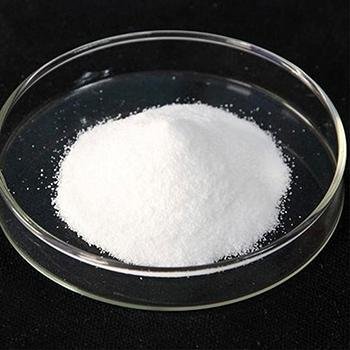
Chemical Name: UV-120
Other Name: (2’,4’-Di-tert-butylphenyl 3,5-di-tert-butyl-4-hydroxybenzoate)
CAS No.: 4221-80-1
Molecular Fomula: C29H42O3
Molecular weight: 438.66
Assay: ≥99%(LC)

Chemical Name: Zinc citrate
Synonyms: Zinc citrate trihydrate
CAS No.: 546-46-3
Molecular Formula: C6H8O7Zn
Molecular Weight: 257.5
Appearance: White powder
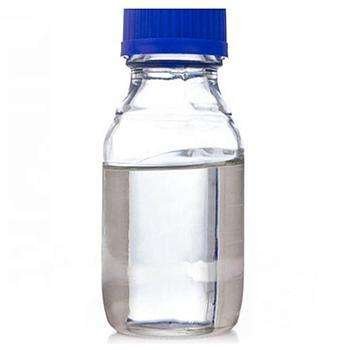
Chemical Name: STODDARD SOLVENT
CAS No.: 64742-88-7
Appearance: Colorless or Light Yellow Liquid
Coconut Oil Monoethanolamide is a high-performance emulsifier derived from natural coconut oil. It is a key component in personal care and cosmetic formulations, providing excellent emulsifying properties and improving product texture. With its natural origin and superior performance, it is the preferred choice for creating stable and high-quality products.

Lauryl Glucoside is an eco-conscious non-ionic surfactant, derived from sustainable lauric acid and glucose. It offers superior mildness and biodegradability, making it an ideal choice for formulating gentle and effective cleaning agents in personal care and household products. Its bio-based nature aligns with the growing demand for green chemistry solutions.

Chemical Name: Quercetin-3-O-sophoroside
CAS No.: 18609-17-1
Molecular Formula: C27H30O17
Molecular Weight: 626.52
Chemical Name: Imazalil Sulfate
CAS No.: 58594-72-2
Molecular Formula: C14H14Cl2N2O.H2SO4
Molecular Weight: 395.26
Appearance: Solid

Chemical Name: 3-Hydroxybutyric acid
CAS No.: 625-71-8
Molecular Formula: C4H8O3
Molecular Weight: 104.1
Appearance: White powder
Sodium Ethyl 2-Sulfolaurate is a surfactant with a unique combination of properties. It is an anionic compound, derived from the sulfonation of ethyl laurate, which is then neutralized with sodium hydroxide. This results in a product that is highly effective in lowering the surface tension of water, making it an excellent wetting agent and emulsifier. It is commonly used in personal care products, detergents, and industrial applications for its foaming and dispersing capabilities. As a mild and biodegradable ingredient, it is favored for its environmental and skin-friendly attributes, ensuring safety and performance in a variety of formulations.



Reviews
There are no reviews yet.