
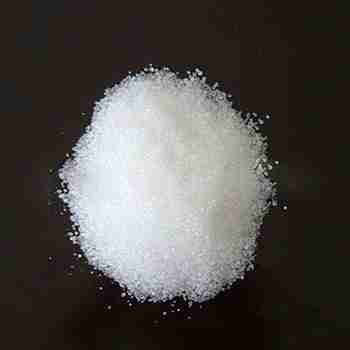
4-Bromochlorobenzene CAS 106-39-8
Chemical Name: 4-Bromochlorobenzene
Synonyms: 1-Bromo-4-chlorobenzene
CAS No.: 106-39-8
Molecular Formula: C6H4BrCl
Molecular Weight: 191.45
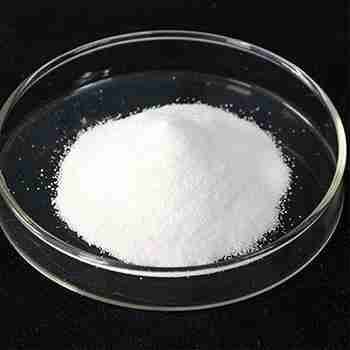
Appearance: Crystalline powder
Description
4-Bromochlorobenzene Details
Chemical Name: 4-Bromochlorobenzene
Synonyms: 1-Bromo-4-chlorobenzene
CAS No.: 106-39-8
Molecular Formula: C6H4BrCl
Molecular Weight: 191.45
Molecular?Structure:
Appearance: Crystalline powder
4-Bromochlorobenzene Typical Properties
Melting Point
64-67???C(lit.)
Boiling Point
196???C(lit.)
Density
1.651
Refractive Index
1,496-1,498
Flash Point
196??C
Storage
Inert atmosphere,Room Temperature
Solubility
Insoluble in water
Appearance
Crystalline powder
Colour
White
?
4-Bromochlorobenzene Usage
Mainly used as organic synthesis intermediates.
4-Bromochlorobenzene Packaging and Shipping
Packing: 25KG/Drum
4-Bromochlorobenzene Storage
Keep in a well-closed,light-resistant, dry and cool place.
Related Products
Chemical Name: Choline salicylate
CAS No.: 2016-36-6
Molecular Formula: C12H19NO4
Molecular Weight: 241.28
Appearance: Red-Brown Crystal
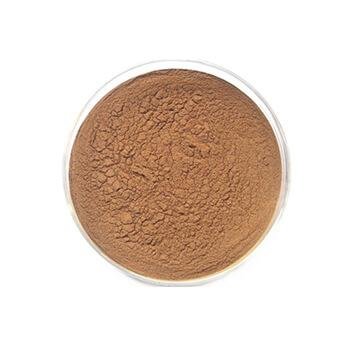
Chemical Name: Ashwagandha Extract
Synonyms: Withania somnifera, ext.; Withania Somnefera Extract
CAS: 90147-43-6
Appearance: Brown

Ethylhexyl Palmitate is a skin-conditioning ester, derived from ethylhexanol and palmitic acid, that imparts moisturization and a smooth texture to cosmetic and personal care formulations. It is valued for its emollient properties, enhancing the sensory experience of skin care products.
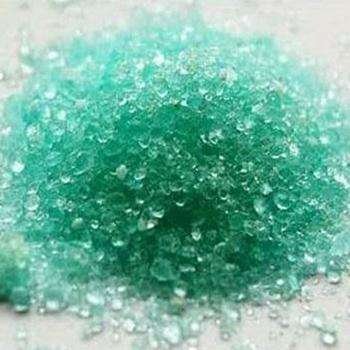
Chemical Name: Ammonium Iron(II) Sulfate
Synonyms: Diammonium iron bis(sulphate); iron (ii) ammonium sulfate
CAS No.: 10045-89-3
Molecular Formula: FeH5NO4S
Molecular Weight: 170.95
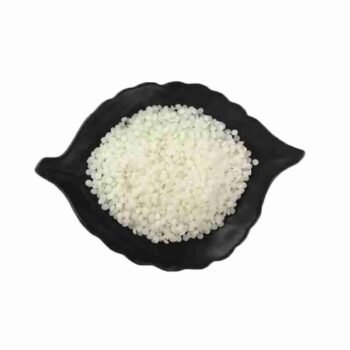
Tetraacetylethylenediamine is a fully acetylated derivative of ethylenediamine, offering a high reactivity as an intermediate in organic synthesis. Its unique structure makes it a critical component in the production of specialty chemicals and pharmaceuticals, ensuring a wide range of applications in the chemical industry.
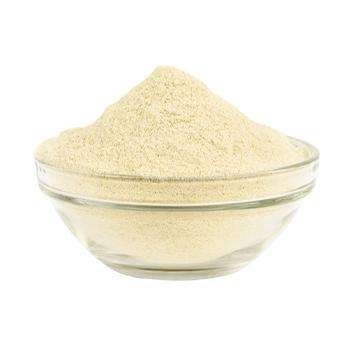
Chemical Name: Arabic gum
CAS No.: 9000-01-5
Appearance: powder

Butylated Hydroxytoluene (BHT) is a synthetic phenolic antioxidant commonly added to foods, cosmetics, and packaging to prevent the oxidation of fats and oils, thereby extending their shelf life. It is also used as a preservative in a variety of products, including rubber, petroleum products, and animal feed. BHT is recognized for its effectiveness in maintaining nutrient levels, color, flavor, and odor in food products . It is known to have a melting point of 69-71??C, a boiling point of 265??C, and is soluble in ethanol, acetone, and benzene, but not in water, glycerin, or propylene glycol . BHT is also used in some dietary supplements due to its antioxidant properties . However, it is important to handle BHT with care, as it can cause skin irritation and is considered harmful if swallowed .
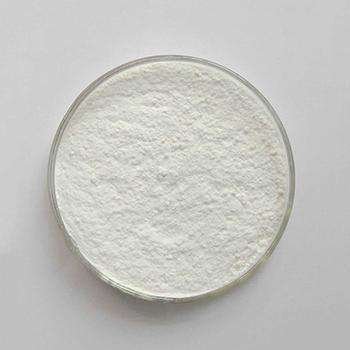
Chemical Name: Zinc citrate
Synonyms: Zinc citrate trihydrate
CAS No.: 546-46-3
Molecular Formula: C6H8O7Zn
Molecular Weight: 257.5
Appearance: White powder
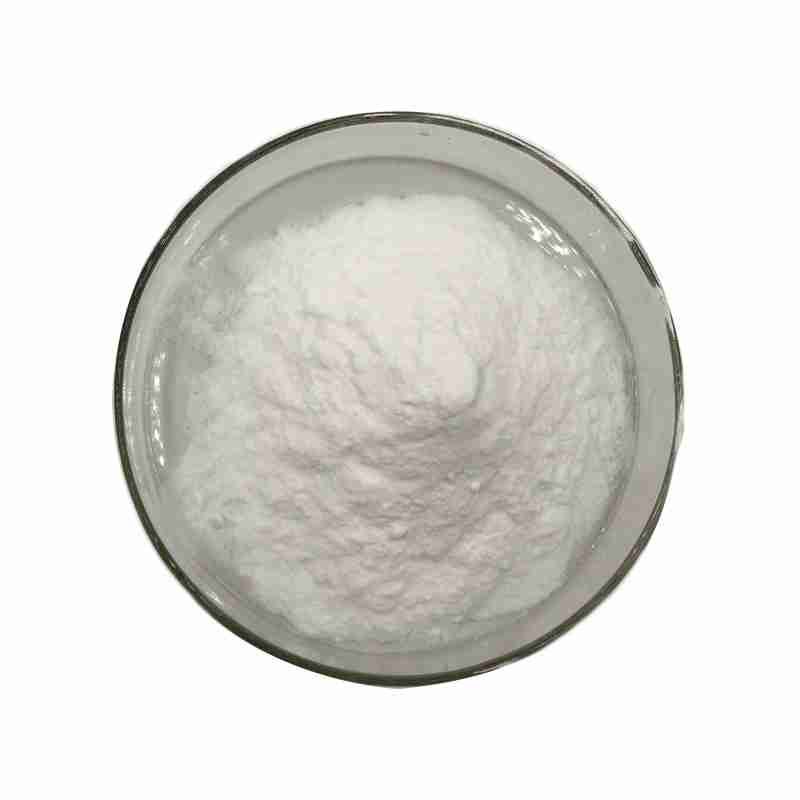
Succinimide is a heterocyclic organic compound and an important industrial chemical. It serves as a key intermediate in the synthesis of various pharmaceuticals, agrochemicals, and other specialty chemicals. Known for its reactivity and versatility, succinimide is widely used in the production of succinic anhydride, a precursor to many polymers and plasticizers, highlighting its significance in the chemical industry.
Chemical Name: STODDARD SOLVENT
CAS No.: 64742-88-7
Appearance: Colorless or Light Yellow Liquid
Chemical Name: 1,1,2,2-Tetrachloroethane
Other Name: Tetrachlorethane
CAS No.: 79-34-5
Molecular Formula: C2H2Cl4
Molecular Weight: 167.85
Appearance: Liquid
Chemical Name: o-Xylene
Synonyms: 1,2-Dimethylbenzene; ortho-xylene
CAS No.: 95-47-6
Molecular Formula: C8H10
Molecular Weight: 106.17



Reviews
There are no reviews yet.