
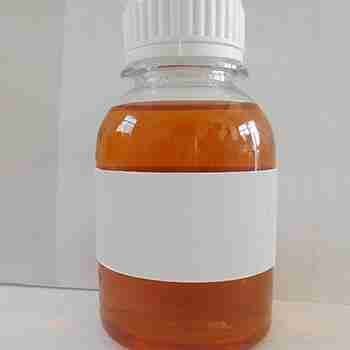
Boron Trifluoride-Phenol Complex CAS 462-05-5

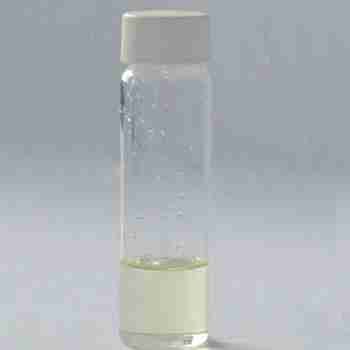
Chemical Name: Boron Trifluoride-Phenol Complex
CAS No.: 462-05-5
Molecular Fomula: C6H6BF3O
Molecular weight:?161.92
Appearance:?Red or brown liquid
Assay: ??25.0%
Description
Boron Trifluoride-Phenol Complex Quick Details
Chemical Name: Boron Trifluoride-Phenol Complex
CAS No.: 462-05-5
Molecular Fomula: C6H6BF3O
Chemical Structure:
Molecular weight:?161.92
Appearance:?Red or brown liquid
Assay: ??25.0%
Typical Properties
ITEMS
SPECIFICATION
Appearance
Red or brown liquid
BF3(%)
??25
MOISTURE(%)
??0.5
SPECIFIC GRAVITY(20??)g/cm3
1.20-1.40
?
Boron Trifluoride-Phenol Complex application
Catalysts for Petrochemical Industry.
Packaging and Shipping?
25kg/drum; 200kg/drum; customized according to customer needs.
Boron Trifluoride-Phenol Complex?Storage
Keep the container sealed and store in a dry and ventilated place. Stay away from heat and ignition sources. Store this substance in a lockable place or a place where only qualified or approved individuals can enter.
During storage, contact with water is strictly prohibited.
Do not store in glassware.
Related Products
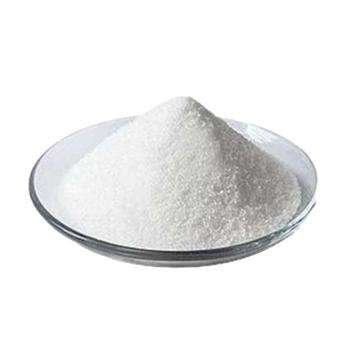
Chemical Name: 3-Hydroxybutyric acid
CAS No.: 625-71-8
Molecular Formula: C4H8O3
Molecular Weight: 104.1
Appearance: White powder
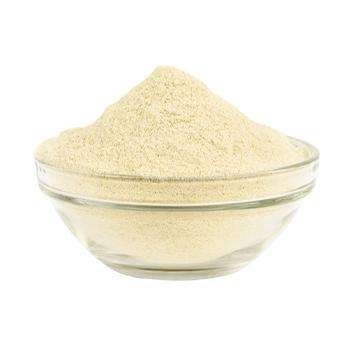
Chemical Name: Arabic gum
CAS No.: 9000-01-5
Appearance: powder
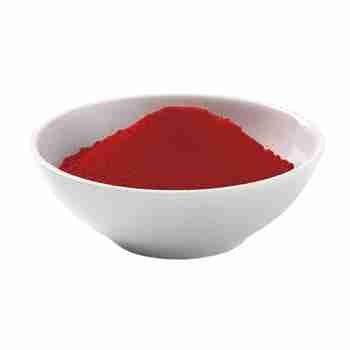
Chemical Name: 2-(5-BROMO-2-PYRIDYLAZO)-5-(DIETHYLAMINO)PHENOL
CAS No.: 14337-53-2
Molecular Fomula: C15H17BrN4O
Molecular weight: 349.2

Chemical Name: Dehydrocholic acid
Synonyms: Acide dehydrocholique; Triketocholanic acid
CAS No.: 81-23-2
Molecular Formula: C24H34O5
Molecular Weight: 402.53
Appearance: Powder
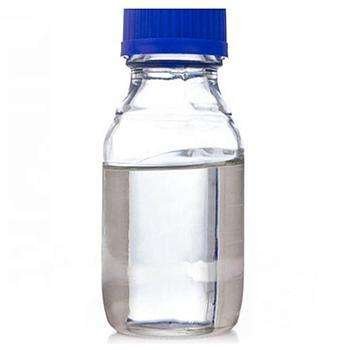
Chemical Name: STODDARD SOLVENT
CAS No.: 64742-88-7
Appearance: Colorless or Light Yellow Liquid
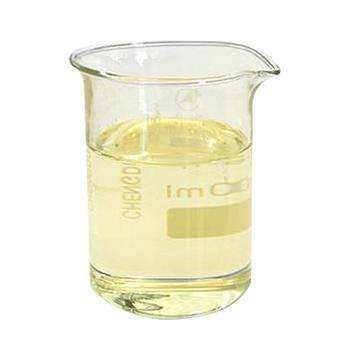
Chemical Name: Potassium Castorate
CAS No.: 8013-05-6
Molecular Formula: C57H107K3O12
Molecular Weight: 1101.74718
Appearance: Yellow Liquid

Chemical name:DFHBI 1T
CAS No.: 1539318-36-9
Molecular Fomula: C13H9F5N2O2
Molecular weight:?320.21
Appearance: white crystal
Assay: ??98.0%
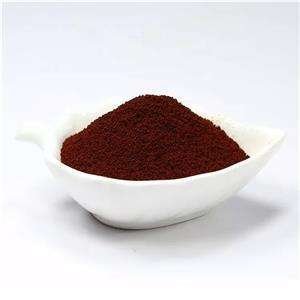
Chemical Name: Choline salicylate
CAS No.: 2016-36-6
Molecular Formula: C12H19NO4
Molecular Weight: 241.28
Appearance: Red-Brown Crystal

AMBERLITE XAD-16 is a nonionic, hydrophobic, cross-linked polymeric adsorbent supplied as insoluble white beads. It is characterized by its macroreticular structure, which provides both a continuous polymer phase and a continuous pore phase, offering high surface area and porosity . This adsorbent is specifically designed to capture hydrophobic molecules from polar solvents and volatile organic compounds from vapor streams . It is ideal for use in column or batch operations and is effective for the adsorption of organic substances with relatively low to medium molecular weight . The product is widely utilized in applications such as the purification of antibiotics, recovery of water-soluble steroids, amino acids, and proteins, as well as the removal of nonpolar compounds from polar solvents .
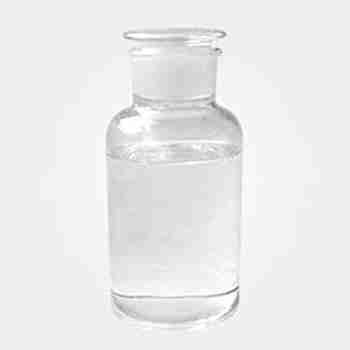
Chemical Name: N-(Trimethylsilyl)imidazole
CAS No.:18156-74-6
Molecular Formula: C6H12N2Si
Molecular weights: 140.26
Appearance: colorless to yellow liquid
Content: ??98%
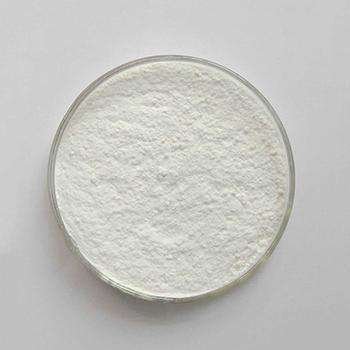
Chemical Name: Zinc citrate
Synonyms: Zinc citrate trihydrate
CAS No.: 546-46-3
Molecular Formula: C6H8O7Zn
Molecular Weight: 257.5
Appearance: White powder
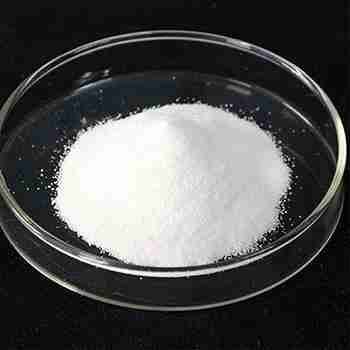
Chemical Name:?Ethylenebis(oxyethylenenitrilo)tetraacetic acid
Synonyms: EGTA; Egtazic acid; 1,2-Di(2-aminoethoxy)ethane-N,N,N,N-tetraacetic acid
CAS No.:?67-42-5
Molecular Fomula:?C14H24N2O10
Molecular weight: 380.35
Appearance:?White?crystalline powder
Assay: ??99%



Reviews
There are no reviews yet.