

Zinc Carbonate Basic Cas 5970-47-8/12539-71-8
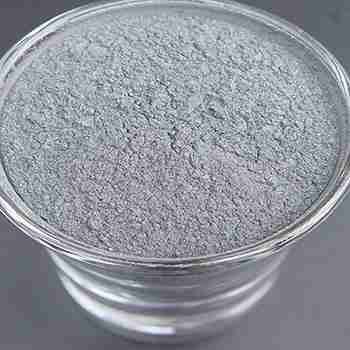
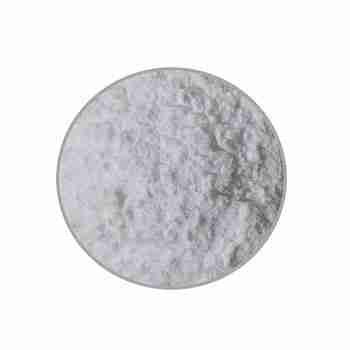
Chemical Name: Zinc carbonate basic
Synonyms: Zinc carbonate hydroxide; zinc subcarbonate; Zinc carbonate monohydrate; Zinc oxide transparency
CAS No.: 5970-47-8
Molecular Fomula: C2H6O12Zn5
Molecular weight:?549.01
Appearance:?White powder
Description
ZINC CARBONATE BASIC Quick Details
Chemical Name: Zinc carbonate basic
Synonyms: Zinc carbonate hydroxide; zinc subcarbonate; Zinc carbonate monohydrate; Zinc oxide transparency
CAS No.: 5970-47-8/12539-71-8
Molecular Fomula: C2H6O12Zn5
Chemical Structure:
Molecular weight:?549.01
Appearance:?White powder
Assay????99.0%
ZINC CARBONATE BASIC Typical Properties
ITEMS
SPECIFICATION
Density
4.39g/cm3
Appearance
White powder
ZINC CARBONATE BASIC?application:
It?is mainly used as a catalyst, desulfurizer, and also as an activator for natural rubber, styrene butadiene rubber, butyl rubber, nitrile rubber, chloroprene rubber, ethylene propylene diene monomer, and rubber. It is widely used in the manufacturing of transparent products.
ZINC CARBONATE BASIC Packaging and Shipping
25kg/bag or according to client??s demand
ZINC CARBONATE BASIC?Storage
Store in a cool, ventilated, and dry warehouse. Cannot be stored or transported together with acidic or alkaline materials. Pay attention to moisture prevention. During transportation, it is necessary to prevent rain, moisture, sun exposure, and heat.
Related Products
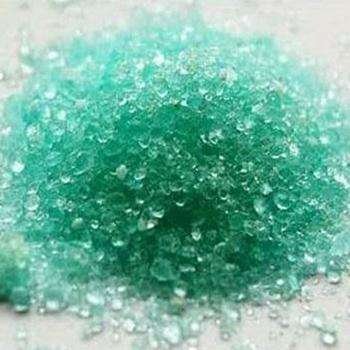
Chemical Name: Ammonium Iron(II) Sulfate
Synonyms: Diammonium iron bis(sulphate); iron (ii) ammonium sulfate
CAS No.: 10045-89-3
Molecular Formula: FeH5NO4S
Molecular Weight: 170.95

Strontium chloride is an inorganic compound with the chemical formula SrCl2. It is a white crystalline solid that is highly soluble in water. This compound is used in various applications, including the production of strontium salts for??? and pyrotechnics, where it imparts a deep red color to the flame. Additionally, strontium chloride is utilized in metallurgy as an ingredient in alloys and in the medical field for certain diagnostic procedures. Its chemical properties make it a valuable substance in a range of industrial and scientific applications.
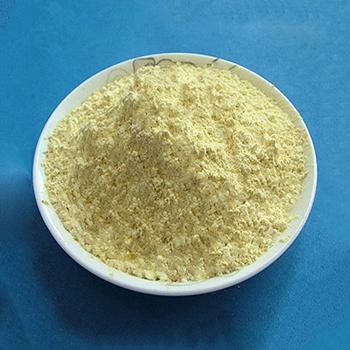
Product name:HYDROXYPROPYL GUAR HYDROXYPROPYLTRIMONIUM CHLORIDE
Purity:99%
Appearance:Light Yellow Powder
Package:Customized according to customer needs.
Sample:Available
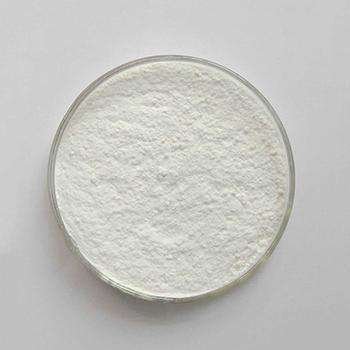
Chemical Name: Zinc citrate
Synonyms: Zinc citrate trihydrate
CAS No.: 546-46-3
Molecular Formula: C6H8O7Zn
Molecular Weight: 257.5
Appearance: White powder

Chemical Name: Dehydrocholic acid
Synonyms: Acide dehydrocholique; Triketocholanic acid
CAS No.: 81-23-2
Molecular Formula: C24H34O5
Molecular Weight: 402.53
Appearance: Powder

Copper(II) sulfate, with the chemical formula CuSO4, is a blue crystalline compound that is soluble in water. It is commonly used in agriculture as a fungicide and in the textile industry as a dye fixative. Copper(II) sulfate is also utilized in the manufacture of pigments, batteries, and as an algaecide in water treatment. Its distinctive blue color and reactivity make it a versatile chemical in various industrial applications, including chemical analysis and electroplating.
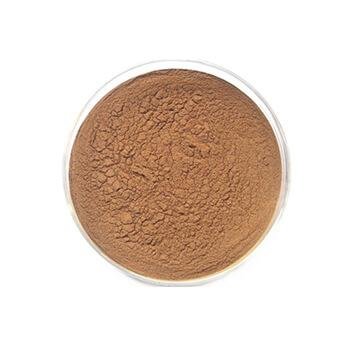
Chemical Name: Ashwagandha Extract
Synonyms: Withania somnifera, ext.; Withania Somnefera Extract
CAS: 90147-43-6
Appearance: Brown
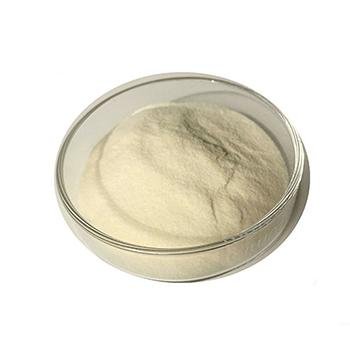
Chemical Name: Quercetin-3-O-sophoroside
CAS No.: 18609-17-1
Molecular Formula: C27H30O17
Molecular Weight: 626.52
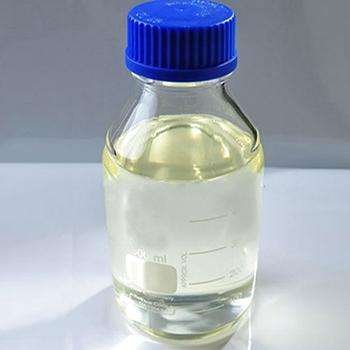
Chemical Name: 1,1,2,2-Tetrachloroethane
Other Name: Tetrachlorethane
CAS No.: 79-34-5
Molecular Formula: C2H2Cl4
Molecular Weight: 167.85
Appearance: Liquid
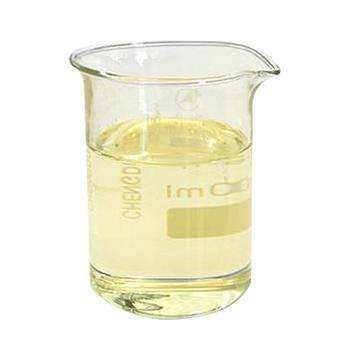
Chemical Name: Potassium Castorate
CAS No.: 8013-05-6
Molecular Formula: C57H107K3O12
Molecular Weight: 1101.74718
Appearance: Yellow Liquid
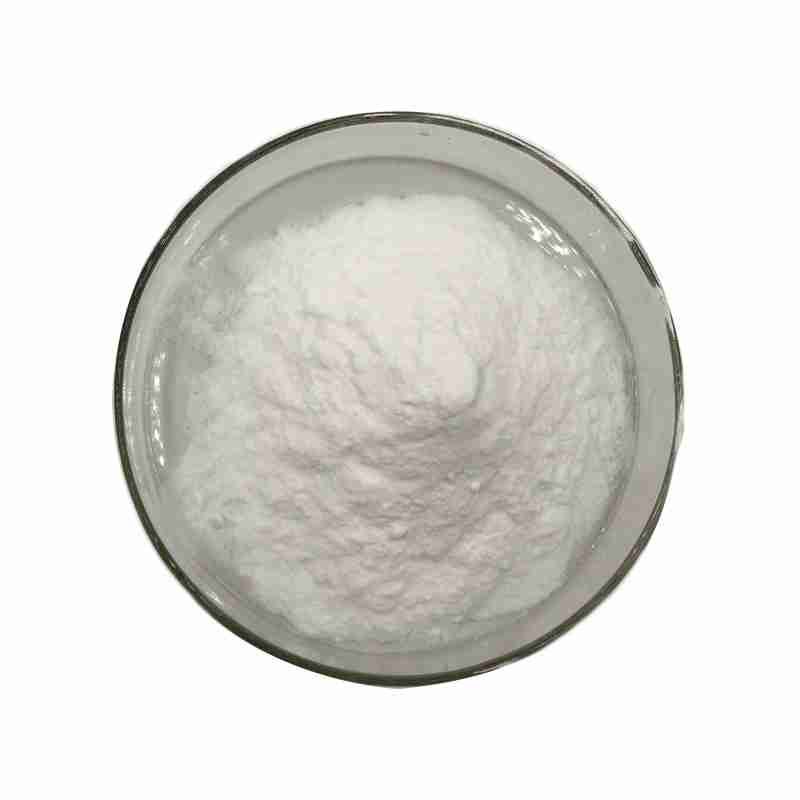
Ammonium sulfamate is a white crystalline compound with the chemical formula (NH4)2SO3. It is a versatile chemical used in various applications, including as a flame retardant, a fertilizer ingredient, and a chemical intermediate. In the agricultural sector, it serves as a source of nitrogen, promoting plant growth. As a flame retardant, it is effective in reducing the flammability of materials. Additionally, it is used in the synthesis of other chemicals due to its reactivity with amines and other organic compounds. Its properties make it a valuable component in a range of industrial processes.
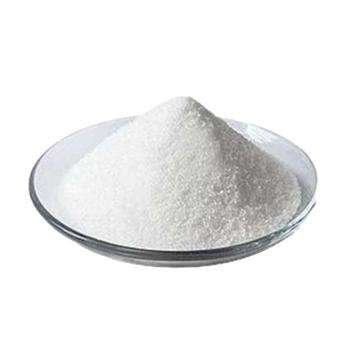
Chemical Name: 3-Hydroxybutyric acid
CAS No.: 625-71-8
Molecular Formula: C4H8O3
Molecular Weight: 104.1
Appearance: White powder



Reviews
There are no reviews yet.