

Description
Squalane Quick Details
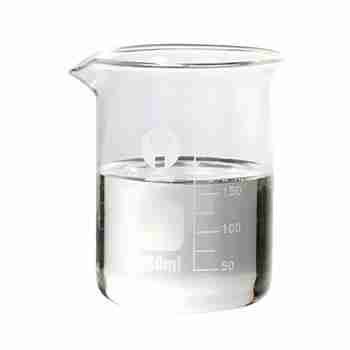
Chemical Name: Squalane
CAS No.: 111-01-3
Molecular Formula: C30H62
Chemical Structure:
Molecular weight: 422.81
Appearance: Fine Transparent Liquid
Assay????99%
Typical Properties
Items
Specification
Assay
NLT99%
Appearance
Fine Transparent Liquid
Odor&taste
Characteristic
Residue on ignition
??1.0%
Heavy metals
??10ppm
As
??2ppm
Total Plate Count
<1000cfu/g
Yeast & Mold
<100cfu/g
E.Coli
Negative
Salmonella
Negative
S.Aureus
Negative
Applications
Medicine, Health food, Cosmetics
Squalene is used in cosmetics as a natural moisturizer. It penetrates the skin quickly, does not leave a greasy feeling on the skin, and blends well with other oils and vitamins. Squalane is a saturated form of squalene in which the double bonds have been eliminated by hydrogenation. Because squalane is less susceptible to oxidation than squalene, it is more commonly used in personal care products. Toxicology studies have determined that in the concentrations used in cosmetics, both squalene and squalane have low acute toxicity, and are not significant human skin irritants or sensitizers
Packaging and Shipping?
Sealed export grade drum& double sealed plastic bag
Storage
Store in cool & dry place, Keep away from strong light and heat.
Related Products

Chemical Name: Reishi Mushroom Extract
CAS No.: /
Molecular Fomula: C16H23O15
Chemical Structure: /
Molecular weight: /
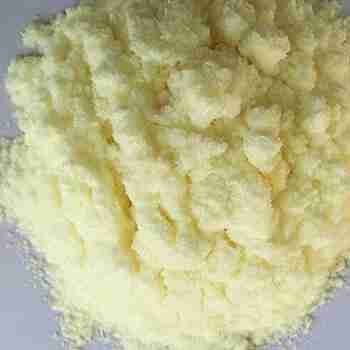
Appearance:Brown powder
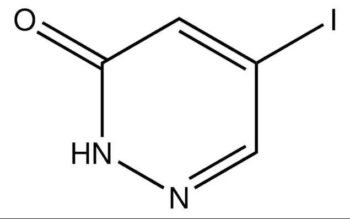
Common English name: 5-iodo-2,3-dihydropyridazin-3-one
CAS No.: 825633-94-1
Molecular formula: C4H3IN2O
Molecular weight: 221.98
Sample: Available
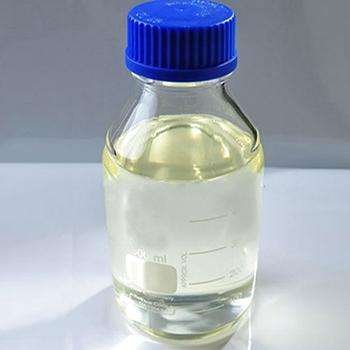
Chemical Name: 1,1,2,2-Tetrachloroethane
Other Name: Tetrachlorethane
CAS No.: 79-34-5
Molecular Formula: C2H2Cl4
Molecular Weight: 167.85
Appearance: Liquid

Hydroxytyrosol, a potent antioxidant polyphenol derived from olives, is celebrated for its health-promoting properties. Highly valued in the nutraceutical, cosmetic, and pharmaceutical sectors, it contributes to the development of products that support well-being and skin health.
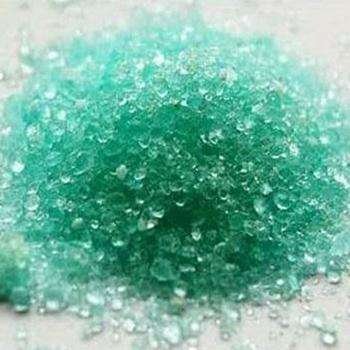
Chemical Name: Ammonium Iron(II) Sulfate
Synonyms: Diammonium iron bis(sulphate); iron (ii) ammonium sulfate
CAS No.: 10045-89-3
Molecular Formula: FeH5NO4S
Molecular Weight: 170.95

Osthole belongs to coumarin compounds. It is prismatic-like crystals (diethyl ether) and needle-like crystals (Ethanol) with the melting point being 83~84 ?? and the boiling point being 145~150 ??. It is soluble in alkaline solution, methanol, ethanol, chloroform, acetone, ethyl acetate, and boiling petroleum ether but insoluble in water and petroleum ether.
Osthole has various kinds of effects of antispasmodic, hypotensive, anti-arrhythmic and enhancing immune function and broad-spectrum antimicrobial effect. Osthole can not only have efficacy such as anti-hypertensive, anti-arrhythmic, anti-inflammatory, anti-tumor and anti-osteoporosis effect, but can also act as a new type of biological pesticides with significant efficacy in treating pests and plant pathogens.
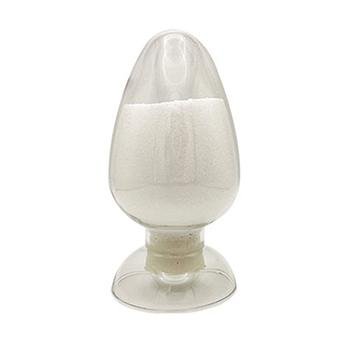
Chemical Name: Imazalil Sulfate
CAS No.: 58594-72-2
Molecular Formula: C14H14Cl2N2O.H2SO4
Molecular Weight: 395.26
Appearance: Solid
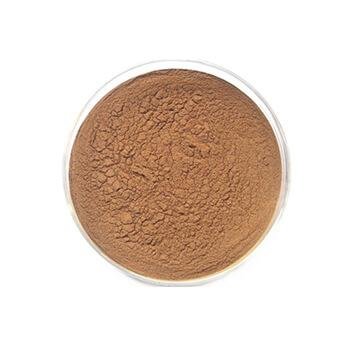
Chemical Name: Ashwagandha Extract
Synonyms: Withania somnifera, ext.; Withania Somnefera Extract
CAS: 90147-43-6
Appearance: Brown
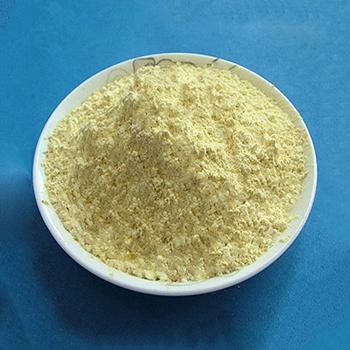
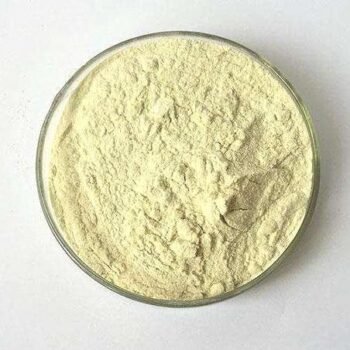
Product name:HYDROXYPROPYL GUAR HYDROXYPROPYLTRIMONIUM CHLORIDE
Purity:99%
Appearance:Light Yellow Powder
Package:Customized according to customer needs.
Sample:Available

Chemical Name: Oxyresveratrol
Synonyms: trans-Oxyresveratrol
CAS No.: 29700-22-9
Molecular Fomula: C14H12O4
Molecular weight: 244.24
Appearance: White to light yellow powder
Assay: 98%

Chemical Name: o-Xylene
Synonyms: 1,2-Dimethylbenzene; ortho-xylene
CAS No.: 95-47-6
Molecular Formula: C8H10
Molecular Weight: 106.17



Reviews
There are no reviews yet.